


-
Ts. Mamaev,
KGBOU ACT "Altay Regional College of Culture", Barnaul, student, tanyiaus@mail.ru - This article analyzes the role of the Orthodox culture in education. Orthodox culture allows a new person to see, his inner world, meaning of his life.
- Orthodox culture, secular culture
- Mamayeva T.S.
- The article is devoted to the analysis of the role of Orthodox culture in education. Orthodox culture allows seeing a person, his inner world, the sense of his life in a new way.
- Orthodox culture, secular culture
- THE ROLE OF ORTHODOX CULTURE IN EDUCATION.
UDC 271.2
The school occupies a special place in the education and upbringing as one of the most important institutions of identity formation. After all, it comes to a child, and finishes is old enough, although young, человек, с определившейся системой ценностей и жизненных установок. Православие и светское образование имеют общую задачу. Они состоят в формировании личности человека, который наделен бессмертной душой и разумом. Светское образование в процессе обучения не только передает учащемуся накопленные человечеством знания, представления, методы научного познания и творческого поиска, но через преподаваемые дисциплины формирует его внутренний мир. Orthodox culture sees its role in the spiritual and moral formation of personality.
Orthodox culture has the moral and spiritual potential, который необходим обществу для излечения своих ран. Сегодня светское образование и православная культура должны объединить свои возможности, to teach a person to do good and to form a kind. The purpose of secular education is mental, moral and physical perfection students.
Православная культура имеет целью своего служения достижение духовного совершенства человека. В ходе реформы могут меняться формы и методы достижения этой цели, но сама цель должна остаться неизменной. Неправы те, кто утверждает, что преподавание предмета «православная культура» якобы «противоречит Конституции» и «ограничивает свободу совести». Это — не богословский, а культурологический предмет, и каждый образованный человек должен знать основы культуры своей страны. Что касается мест компактного проживания представителей других религий, то там следует преподавать основы их религии и культуры. Но если они живут в России, то должны знать и основы культуры нашего общего Отечества.
Orthodox culture allows a new person to see, his inner world, meaning of his life. В результате человеческое творчество, приобщаясь к православию, возвращается к своим изначальным религиозным корням.
Светская культура способна быть носительницей благовестия. Это особенно важно в тех случаях, когда влияние христианства в обществе ослабевает или когда светские власти вступают в открытую борьбу с Православием. Так, в годы государственного атеизма русская классическая литература, poetry, art and music became for many almost the only source of religious knowledge. Cultural traditions help to preserve and enrich the spiritual heritage in a rapidly changing world. This applies to various kinds of creativity: литературе, fine arts, music, архитектуре, театру, кино.
В современной России школа отделена от церкви, но данное положение не означает, что в школьных программах не может присутствовать православная тематика, поскольку она отражает исторические корни жизни общества и ориентирована на духовно-нравственное воспитание детей. Русскую культуру, основанную на православии, невозможно понять без обращения к наследию христианства. Исключение из воспитания и образования этих основ приводит к тому, that the younger generation is outside the world of culture and history.
Modern school, idea of Christian values, объединения людей во имя служения общему делу и побуждения их к подвижнической активности, на фоне разброда в обществе, падения нравов, погони многих за частыми личными интересами, is highly relevant and fruitful.
Patriotic education system, due Orthodox culture, incorporates national experience, что становилось духовным содержанием их диалога. Совокупность духовно-нравственных ценностей православного христианства содержит педагогический потенциал, оказывая влияние, как на религиозное, так и на светское образование включительно.
Без знания основ православной культуры адекватное освоение ценностей российской культуры, особенно в ее гуманитарном аспекте, – impossible, а приобщение к ним затруднено. Это обусловливает познавательную значимость православной культуры для всех учащихся российской школы вне зависимости от их отношения к православной религии и Церкви, мировоззренческого, этнического или конфессионального самоопределения их самих или их родителей.
Отделение церкви от государства является актом субъективного порядка, т. е. актом правотворческой деятельности государства. Separation of church and state means the administrative and legal and economic segregation of activities of the two institutions in society, а не разделение духовной жизни человека на две противоположные ипостаси, ибо духовная сфера человека не подвластна правовым установлениям, даже если это конституционная норма. Именно ему, человеку, в соответствии с нормами естественного права, многовековой традицией образования, in which religious consciousness and religious knowledge are inseparable from scientific knowledge and life experience, obtained humanity during his earthly life, принадлежит право выбора пути к истине.
References
- Берсенева, TA. Уроки добротолюбия: Учебное пособие для среднего школьного возраста.- СПб., 2004.
- Воронцова, Л.М., Филатов С.Б., Фурман Д.Е. Religion in modern mass consciousness // Sociological issledovaniya.-1995. – 85с.
- Dounaev, MM. Faith in the crucible of doubt: Orthodoxy and rus'skaja literature XYII-XX centuries. - M., 2002.
- Dukhanin B. The hidden world of Orthodoxy. -M., 2006.
- Zenkovsky, VV. Problems of education in the light of Christian anthropology. M., 1996.- 122с.
- Il'inskii, И.М. Youth and Youth Policy. Philosophy. История. Theory.- M., 2001.
References
- Berseneva, T.A. Charms dobrotolyubiya: UCHEBNO posobie dlya srednego shkoljnogo vozrasta.- SPb., 2004.
- Voroncova, L.M., Filatov S.B., Furman D.E. Religiya in sovremennom massovom soznanii // Sociologicheskie issledovaniya.-1995. – 85s.
- Dunaev, M.M. Faith in Gorna somneniyj: Orthodoxy and russkaya literature XYIII-XX vekakh. – M., 2002.
- Dukhanin V. Sokrovennihyj mir Pravoslaviya. –M., 2006.
- Zenjkovskiyj, V.V. Problems vospitaniya in the Holy khristianskoyj Antropología. M., 1996.- 122s.
- Iljinskiyj, I.M. Molodezhj i Molodezhnaya policy. Filosofiya. Istoriya. Theory.- M., 2001.
Received redaktsiyu24.05.12
Share in social. networks
-
П. In. Marks,
Altay Regional Institute of Teacher Training, g. Barnaul, Assistant professor of theory and methods of teaching languages and literature, Candidate. филол. n., docent, pvmarkina@mail.ru - The article analyzes the Russian Soviet literature of the twenties of the twentieth century. Literature of this period reflects the ideological scrapped Writers, understanding of the conflict of the old and new worlds. М. М. Zoschenko, SE. К. Olesha, И. E. Babel, In. П. Kataev trying to determine for themselves the new values.
- Russian Soviet literature, MM. Zoschenko, Yu.K. Olesha, I.E. Babel, В.П. Kataev
- Markina P.V.
- The Russian Soviet literature of the twentieth years of the XX century is analyzed in the article. The literature of this period reflects the writers’ world outlook demolition, the judgment of the conflict of the old and new worlds. M. M. Zoshchenko, Yu.K. Olesha, I.E.Babel, V.P. Katayev try to define new values for themselves.
- Russian Soviet literature, M.M. Zoshchenko, Yu.K. Olesha, I.E. Babylon, V.P. Katayev
- THE SEARCHES OF NEW VALUES IN RUSSIAN SOVIET LITERATURE (Zoshchenko M.M., Olesha Yu.K., Babel I.E., Katayev V.P.).
UDC 82.0
Русская литература 1920-х гг. обнаружила поиск новых художественных стратегий писателями, заявившими о себе в молодом государстве. Experience their creative forces before the revolution M. М. Zoschenko, SE. К. Olesha, И. E. Babel, In. П. Kataev could make a world name is in the Soviet era. В их творчестве по-разному переплелись в несоединимое единство ценности прошлого проигравшего века и идеология торжествующей цивилизации. Фигуры, мыслимые маргиналиями советского мира, на современном этапе понимания русской литературы перемещаются в ее центр, обнаруживая общую мировоззренческую трагедию, обнажающуюся в отношении к вере. Каждый из художников слова не тождественен себе в разные периоды времени, их эволюцию традиционно меряют десятилетиями.
М. М. Zoschenko, как и обозначенные одесситы, начал с признания победы революции, будущего за новым миром. Сатира ранних рассказов при всей горькой иронии и душевном отторжении автора была направлена на совершенствование ожившего дремучего мира. М. М. Зощенко признается, что только замещает настоящего пролетарского писателя: «…я пародирую своими вещами того воображаемого, но подлинного пролетарского писателя, который существовал бы в теперешних условиях жизни и в теперешней среде» [1, с. 110]. Он ощущает необходимость заполнения пустующего места в качестве личной ответственности. Однако еще годом ранее до обозначенного признания писатель переживает тяжелую депрессию. Находящийся на грани отчаяния, разочаровавшийся в прежней системе ценностей, он дважды пытался закончить жизнь самоубийством. Оставивший веру еще не литератор ищет смерти на полях Первой мировой войны. Выжив и потеряв здоровье, молодой М. М. Зощенко пытается заполнить пустоту духовных чувств верными построениями разума. Петербуржец, оказывающийся в «провинциализирующимся» Ленинграде, убеждает себя в верности идеологической «трансформации» пространства. Именно торжеству разума будет через двадцать лет посвящена главная книга писателя «Перед восходом солнца».
Как и М. М. Zoschenko, И. E. Бабель начинает свою работу в рамках сказа, изжившего себя как форма к 1930-м гг. Находясь в мучительном поиске слова, author of "Red Cavalry" and "Odessa Tales" is not moving towards the substitution of faith philosophical construction. Being in opposition traditionally Petersburg Odessa, И. E. Бабель создает теорию золотого «города солнца», оставленного в прошлом. Меняя южный город у моря на соседство с А. М. Горьким в Петрограде, начинающий писатель оставляет и иудейские мечты о Мессии, который должен был бы освежить животворящим дыханием юга русскую литературу с ключевыми фигурами Н. In. Гоголя, И. С. Тургенева, Ф. М. Dostoevsky. Отказываясь в своих поисках от небесного ради земного, И. E. Бабель пытается изжить библейские образы, мотивы и сюжеты, центральным из которых становится изгнание из рая. В неомифологическом тексте автопсихологический герой ощущает себя незаконно проникшим на праздник богов, откуда он непременно должен быть изгнан. В синтезе историй Адама, Моисея, Wandering Jew and the Odyssey is found deep personal drama of losing eternal values. And in everyday life and. E. Babel checked border permitted person, словно убеждая себя в богооставленности (работа в ЧК, участие в конармейском походе, повышенный интерес к расстрелам, близость к семье Ежова).
Вызывающим бытовым беспринципным поведением, парадоксально совместившимся с удивительным творческим долголетием, отметился в русской литературе блестящий стилист В. П. Kataev. Легко поменявший родной город на столичную Москву и лишь в кругу семьи грустивший о «советизации» Одессы автор «Растратчиков» наметил в своем творчестве четкую идеологически верную прямую, нарушенную поздней прозой. Отказ от Бога как от прошлого переживался В. П. Катаевым через разрыв с отцом, ставшим одним из центральных образов разных периодов творчества художника. В своем раннем рассказе «Отец» начинающий автор говорит о своей принадлежности к новому беспощадному миру, об отказе от обременяющих семейных отношений, и одновременно о собственном творчестве как служении вечным ценностям. В дальнейшей судьбе В. П. Катаева воплотится эта борьба парадоксально слитых противоположностей. In the story, "Father Basil" (1943) approved by the solid opposition to fascism earthly father, and written three years later, the story "Our Father" godless sound, rebellious notes. Переживший душевную травму, связанную с потерей возлюбленной (М. А. Булгаков по материальным соображениям отказал ему в женитьбе на своей сестре), In. П. Катаев и недоступную любимую женщину соединяет с религией, параллельно вводя картины из прошлого, где Бог был открыт отцом. И в своей поздней прозе писатель вновь возвращается в фигуре родителя, понимая себя как протест против его почти монашеской жизни (верность умершей жене). В то же время в разорванной надвое душе художник сохранял веру, позволившую ему создать блестящие произведения.
Неизживаемой «больной» фигурой для друга-соперника стал католик Ю. К. Olesha, который отчетливо понимал, в какой стране он живет: «Может быть, через тридцать лет меня будут читать как пролетарского писателя… я это делаю вполне сознательно: я все-таки чувствую, что я работаю для пролетариата» [2, с. 563]. Его автопсихологические герои (Кавалеров, Цитронов) оказываются незаконно пробравшимися в новый мир приживальщиками. Осмысливая идеалы юродства и странничества, примеряя на себя как роли жизни великих людей, русский писатель с польскими дворянскими корнями стал одной из самых загадочных фигур в истории литературы. После блестящего успеха «Зависти» все пророчили удивительное будущее автору, осмысляющему свое произведение не как начало, но конец. По собственным признаниям в дневниках, литература закончилась в 1931 году алкоголем. На фоне общего и даже графоманского стремления к литературе (например, А. Т. Твардовский сказал, что в стране место Бога заняла литература), SE. К. Olesha, великолепно овладевший мастерством слова, сам отказывается от творчества в привычной форме. «Ни дня без строчки» и «Книга прощания» свидетельствуют, что автор устранил собственный диктат цензора, пытаясь сохранить связь с ускользающей в деструкции художественной реальностью: «Я записывал бы просто – «бу-бу-бу» или «мле-мле-мле» [3, с. 247]. Устранение собственного «Я» и одновременное его утверждение обнаруживается и в жизненной поведенческой парадигме, разворачивающейся от полюса самоуничижения к самовозвеличиванию. Затянувшаяся «игра в Кавалерова» для окончившего Ришельевскую гимназию с золотой медалью диагностирует особое психологическое состояние, в котором «Я» становится «не Я». В дневниковых записях 1957 g. SE. К. Олеша примеряет на себя грех Н. In. Гоголя, кающегося, что утопил котенка. «Автобиографический» герой признается, что закопал котенка, «словно чтобы в его мертвой царапающейся фигурке, лежащей на боку, увидеть некий черный герб». Смоделированное эстетичное преступление акцентирует авторскую принадлежность к миру вне советских (например, европейских), ценностей и реалий. Будучи русским писателем, SE. К. Олеша не уехал к родителям в эмиграцию и никогда не был за границей. Не совпадая с эпохой, он, не уклоняясь, как новый «пророк» (см. одноименный рассказ), помогал создавать советские мифы, решив собственную жизнь в рамках стратегии самоуничтожения и одновременно выживания. Протестуя против привычных норм повседневности, SE. К. Олеша освежал зашоренный взгляд обывателя, пугаясь и принимая свою участь.
Художественное слово, например, потерявшееся у отказавшегося от Бога И. E. Бабеля, напрямую оказалось соотнесено с силой веры, прошедшей испытание философией буддизма. SE. К. Олеша в романе «Зависть» восточную угрозу связал с предводителем нового мира и «предопределенной» Кавалерову кроватью Анечки Прокопович, а в дневниках представил как самый страшный сюжет: «Я – ничто». Таким образом, в русской советской литературе христианская парадигма ценностей, явленная на уровне образов, осложненных вплетенными осколками «погибших» культур и сопротивлением ей, оказывалась мерилом таланта.
References
- Зощенко М.М. Разнотык: Рассказы и фельетоны (1914–1924). M., 2008.
- Олеша Ю.К. Избранное. M., 1974.
- Олеша Ю.К. Книга прощания. M., 2006.
References
- Zothenko M.M. Raznotihk: Rasskazih i feljetonih (1914–1924). M., 2008.
- Olesha Yu.K. Izbrannoe. M., 1974.
- Olesha Yu.K. Book prothaniya. M., 2006.
Received 24.05.12
Share in social. networks
-
OV. Okorokova,
VPO "Altai State Technical University. I.I. Polzunova »,
g. Barnaul, graduate student, ol4ik-o@yandex.ru - On the basis of archival and documentary sources identified the forms and methods of interaction of the Russian Red Cross Society of Tomsk province with the Orthodox Church on the preparation of the Sisters of Charity, collecting donations, providing needy people with food in a. XIX - n. XX centuries.
- The Orthodox Church, Russian Red Cross Society of Tomsk province, charity, Tomsk, Barnaul, Sisters of Mercy
- Okorokova O.V.
- The paper considers the forms and methods of interaction between the Russian Red Cross Society of the Tomsk province and Orthodox Church dealing with the preparation of sisters of mercy, collecting monetary donations, providing the needing population with the food at the end of the XIX, the beginning of the XX centuries.
- Orthodox Church, Russian Red Cross Society of the Tomsk province, charity, Tomsk, Barnaul, sisters of mercy
- THE INTERACTION BETWEEN THE RUSSIAN RED CROSS SOCIETY OF THE TOMSK PROVINCE AND ORTHODOX CHURCH AT THE END OF THE XIX, THE BEGINNING OF THE XX CENTURIES.
UDC 930.1/2
Start of church charity was laid in the time of Christ's earthly life, когда Апостолы собирали пожертвования и раздавали их бедным и неимущим, устраивали братские трапезы. Благотворительность христиан заключалась как и в реализации буквального призыва Христа «накормить голодных», так и в других видах служения: помощь в больницах, посещение заключенных, пожертвования, попечение о вдовах, сиротах, престарелых [3]. К концу XIXв. в Российской империи сложилась стройная структурная организация Российского Общества Красного Креста. Главная задача Общества (объединение всей добровольной помощи страны, для облегчения страданий нуждающихся в помощи людей) [2, Л. 16] совпадала с задачами Православной Церкви. Это способствовало налаживанию взаимодействия Российского Общества Красного Креста и Православной Церкви в благотворительной деятельности.
In 1873 g. в городе Томске было основано Местное Управление Российского общества Красного Креста [1, С. 355]. 16 апреля 1877 g. Комитет Общества Красного Креста был открыт в городе Барнауле [11, С. 54 – 55], в 1904 g. преобразованный в Барнаульский Отдел Общества Красного Креста [5, С. 2]. В состав членов Общества Красного Креста Томской губернии помимо государственных служащих и купцов входили представители православной церкви. Так, членами Томского Местного Управления и Барнаульского Отдела Российского Общества Красного Креста являлись: Высокопреосвященный Макарий Архиепископ Томский и Барнаульский, Преосвященный Иннокентий Епископ Бийский, Архимандрит Лазарь, священник Иоанн Беневоленский, Игуменья Томского Иоано-Предтеченского Монастыря мать Зинаида, Игуменья Барнаульского Богородице-Казанского женского монастыря Парфения.
11 апреля 1893 g. во время торжественного открытия в г. Tomsk Community of the Sisters of Charity of the Red Cross Bishop Makarios called Sisters of Mercy: «С упованием получить врачевание недугов душевных и телесных, взирайте на крест и лобызайте его с любовью к Искупившему вас честною кровию, на кресте пролитою. Ваша вера, ваше упование и любовь ваша, выражаемая крестным знаменем, will enliven and pacifying power not only for yourself, but also for those sufferers, which will look at you, when you are full of faith, надежды и любви будете им служить во время их болезни, страданий и в минуты смерти, и сами они будут воодушевляться теми же мыслями и чувствами» [4, С. 5]. Слова преосвященного Макария были восприняты сёстрами с великим благоговением. В ходе обучения помимо предметов по медицине сёстрам милосердия обязательно преподавался Закон Божий. В г. Томске этот курс безвозмездно читал священник Иоанн Беневоленский – ключарь Томского Свято-Троицкого кафедрального собора [4, С. 4]. К маю 1893 g. по завершению обучения, the sisters were able to watch in private homes, а во время новой вспышки холеры летом 1893 g. были командированы в холерную больницу. Сёстры милосердия успешно выполняли свои обязанности по уходу за больными и заслужили в короткое время признательность и уважение местного населения [6, С. 3].
Большая помощь в тяжёлый период неурожая в Томской губернии 1900 – 1902 гг. попечительству Томского Местного Управления Российского Общества Красного Креста для оказания продовольственной помощи населению в г. Барнауле была оказана Игуменьей Барнаульского Богородице-Казанского женского монастыря Парфенией. Для работы в девяти бесплатных столовых попечительства Игуменья Парфения бесплатно командировала 18 сестёр монастыря. Продовольственная помощь оказывалась престарелым больным, вдовам, сиротам, малолетним детям, новосёлам, не успевшим посеять хлеб [10 Л. 4 об.].
Самое деятельное участие Православная Церковь и Российское Общество Красного Креста Томской губернии приняли в сборе денежных пожертвований на нужды военного времени во время Русско-японской войны (1904 – 1905 гг.). Святейший Синод, в целях увеличения средств Общества Красного Креста своим определением от 8 февраля 1904 g. постановил: «Усилить повсеместный церковный сбор в пользу раненых и больных, разрешить членам Общества Красного Креста или уполномоченным от него лицам производить за воскресными богослужениями каждую неделю, на всё время войны с Японией особый сбор пожертвований по всем церквям Российской Империи» [2, Л. 20]. Верующие с искренней любовью жертвовали, кто сколько может в помощь воинам-сибирякам, сражающимся на Дальнем Востоке. Со 2 апреля 1904 g. by 29 октября 1905 g. в Троицком Кафедральном соборе г. Томска было собрано кружечных денег в пользу Красного Креста на сумму 615 р. 59 коп. [2, Л. 1, 117] В восьми церквях и на базарной площади г. Барнаула сёстрами Барнаульского Богородице-Казанского женского монастыря под руководством Игуменьи Парфении по поручению Местного Управления Красного Креста был организован тарелочный и кружечный сбор пожертвований [5, С. 28]. Духовной Семинарией для госпиталя Томского Отдела Общества Красного Креста, в котором планировалось разместить больных и раненых воинов, эвакуируемых с Дальнего Востока, было бесплатно предоставлено 85 кроватей [7, С. 6].
В благотворительной деятельности на нужды военного времени Российскому Обществу Красного Креста Томской губернии оказали помощь верующие и католического, и иудейского, и мусульманского вероисповедания. In 1904 g. на заседаниях Томского Особого Комитета Красного Креста по сбору пожертвований больным и раненым воинам регулярно принимали участие: Кафедральный Протоиерей Отец Никандр Малин, Протоиерей Единоверческой церкви Отец Пётр Васильков, Курат-Ксенз Демикис, Еврейский Раввин Левин, Мулла Хамитов [2, Л. 42].
С искренней верой в Бога провожали на войну с Японией и встречали с войны своих соотечественников жители г. Барнаула. Несколько раз члены Дамского Комитета при Барнаульском Отделе Общества Красного Креста участвовали в проводах местных войск на Дальний Восток. В феврале 1904 g. при выступлении запасного батальона Председательницей Комитета была поднесена икона Божьей Матери. В апреле при выступлении в поход 12-го Барнаульского пехотного полка его воинам было поднесено напрестольное евангелие. В июле 13-й Барнаульской дружине Государственного ополчения была поднесена святая икона Евангелия. Все иконы были приобретены на личные средства Дамского Комитета.
Во время прибытия в г. Барнаул первого эшелона раненых с Дальнего Востока члены Комитета организовали им встречу на пароходной пристани, где член Барнаульского Отдела Общества Красного Креста Протоиерей Завадовский отслужил благодарственный молебен и обратился к больным и раненым воинам с ободряющими словами [5, С. 32].
После окончания Русско-японской войны в 1906 g. по представлению Томского Местного Управления Общества Красного Креста в Главное Управление Красного Креста об усердной деятельности лиц, принимавших участие в трудах Общества Красного Креста, как в мирное, так и в военное время, Её Императорское Величество Государыня Императрица Мария Фёдоровна и Государь Император Николай Александрович знаком отличия Красного Креста наградили Почётного Члена Томского Местного Управления Общества Высокопреосвященного Макария Архиепископа Томского и Барнаульского, the sign of the Red Cross Abbess Tomsk John the Baptist nunnery mother Zinaida [8, С. 3]. 1 ноября 1908 g. Преосвященный Иннокентий Епископ Бийский Главным Управлением Общества Красного Креста был утверждён в звании Почётного Члена Томского Местного Управления Красного Креста [9, С. 2].
Таким образом, взаимодействие Православной Церкви и Российского Общества Красного Креста Томской губернии в к. XIX - n. ХХ вв. характеризовалось различными формами и методами благотворительной деятельности, активным участием в ней священнослужителей и прихожан церкви. Мероприятия, conducted during the epidemic, hunger, военных действий 1904 – 1905 гг. Обществом Красного Креста совместно с Православной Церковью способствовали сплочению людей различного социального статуса, вероисповедания, политических взглядов в общем деле благотворительности.
References
- Благотворительные учреждения Российской Империи – СПб., 1900.
- Государственный архив Томской области (ГАТО) Ф. 233. Оп. 2. D. 2812.
- История благотворительной деятельности Православной церкви [Электронный ресурс]. URL: http://www.pravmir.ru/istoriya-blagotvoritelnoj-deyatelnosti-pravoslavnoj-cerkvi/ (дата обращения 23.05.2012)
- Курлов, MG. Исторический очерк деятельности Томской Общины сестёр милосердия, за первое пятнадцатилетие (1892 – 1907 гг.), Tomsk, 1908.
- Отчёт Барнаульского отдела Российского Общества Красного Креста за 1904 год. Barnaul, 1906.
- Отчёт Томского Местного Управления РОКК за 1894 год. Томская Губернская Типография, Tomsk, 1895.
- Отчёт Томского Местного Управления Российского Общества Красного Креста за ½ 1904 года. Tomsk. Типография Губернского управления 1904.
- Отчёт Томского Местного Управления РОКК за 1906 год. Tomsk, 1907.
- Отчёт Томского Местного Управления РОКК за 1908 год. Tomsk, 1909.
- Russian State Military History Archive (РГВИА) Ф. 12651. Оп. 1. D. 466.
- Соболев, С. Благотворительные учреждения Томской губернии. (очерк), Tomsk, 1895.
References
- Blagotvoriteljnihe uchrezhdeniya Rossiyjskoyj Imperii – SPb., 1900.
- Gosudarstvennihyj arkhiv Tomskoyj oblasti (GATO) F. 233. On. 2. D. 2812.
- History blagotvoriteljnoyj deyateljnosti Pravoslavnoyj cerkvi [Ehlektronnihyj resurs]. URL: http://www.pravmir.ru/istoriya-blagotvoritelnoj-deyatelnosti-pravoslavnoj-cerkvi/ (data obratheniya 23.05.2012)
- Kurlov, M.G. Istoricheskiyj ocherk deyateljnosti Tomskoyj Obthinih sestyor miloserdiya, for PERVOE pyatnadcatiletie (1892 – 1907 gg), Tomsk, 1908.
- Otchyot Barnauljskogo otdel Rossiyjskogo Obthestva Krasnogo for Kresta 1904 god. Barnaul, 1906.
- Uttered Tomskogo Mestnogo Upravleniya Rocky za 1894 god. Tomskaya Gubernskaya Tipografiya, Tomsk, 1895.
- Uttered Tomskogo Mestnogo Upravleniya Rossiyjskogo Obthestva Krasnogo nursery za ? 1904 good. Tomsk. Printing Gubernskogo upravleniya 1904.
- Uttered Tomskogo Mestnogo Upravleniya Rocky za 1906 god. Tomsk, 1907.
- Uttered Tomskogo Mestnogo Upravleniya Rocky za 1908 god. Tomsk, 1909.
- Rossiyjskiyj gosudarstvennihyj Voenno-istoricheskiyj arkhiv (RGVIA) F. 12651. On. 1. D. 466.
- Sobolev, S. Blagotvoriteljnihe uchrezhdeniya Tomskoyj governmental. (ocherk), Tomsk, 1895.
Received redaktsiyu26.05.12
Share in social. networks
-
E.YU. Pozdnyakova,
Altai State Technical University. I.I. Polzunova, g. Barnaul, Assistant kafedrы KiKT, Candidate. филол. n., docent, helena_poz@mail.ru - The article offers a description of phraseology Lingvokulturologichesky People's speaking of the modern city. Analysis of linguistic material revealed the specific components of Russian language picture of the world and make a conclusion about some features of the national outlook.
- Russian language world, linguistic space of the city, cultural linguistics
- Pozdnyakova E.Y.
- The article deals with the linguaculturological description of folk-conversational phraseology of modern city. The analysis of a language material has allowed to reveal specific components of Russian linguistic world view and to draw a conclusion on some features of national outlook.
- Russian linguistic world view, language space of a city, linguaculturology
- THE FOLK-CONVERSATIONAL PHRASEOLOGY OF CITIZENS AS A REFLECTION OF NATIONAL OUTLOOK (LINGUACULTUROLOGICAL ASPECT).
UDC 808.2
This article presents an analysis of phraseological units, functioning in the language space of Barnaul, from the standpoint of modern linguistic and cultural approach. Investigating linguistic space of the city from the standpoint of the relationship "language-culture", we stand before the question of, Does linguistic space of the city on the formation of ethnic and cultural consciousness of citizens. The answer to this question is connected with the study of the broader problem of the influence of language on the formation of the national mentality. Studies, held back in XVIII-XIX centuries by scholars such as VF. Гумбольдт, А.А. Potebnya, E. Sepir, B.L. Wharf, find allegations, that language - it is a continuous creative process, "Body language is, mindset ", expression of individual people's outlook, his "spirit" (В.ф. Гумбольдт); «язык – путеводитель в социальной действительности» (E. Sepir); язык играет важнейшую роль в формировании национального сознания, существует «взаимодействие между культурой и языком в целом, whereby many factors, although they do not belong to the language, indicate its formative influence " [Wharf, 2003, с. 181]. А.А. Potebnya said: «Как индивидуальная психология указывает не только общие для всех законы душевной жизни, но и возможное разнообразие и оригинальность неделимых, so psychology of nations must show the possibility of differences in national characteristics and the structure of language as a consequence of the general laws of the people's life " [Potebnya, 1989, с. 54].
In language imprinted features outlook given people: different languages - they are different worlds, in which people live. According to E. Sepira, "Real world" to a large extent unconsciously built based on the language habits of a particular social group. Two different languages are never as similar, that they can be considered as a means of expressing the same social reality. Worlds, in which different societies live, - Two different worlds, а вовсе не один и тот же мир с различными навешанными на него ярлыками» [Sepir, 2003, с. 131].
Позже Г.Г. Шпет, рассуждая на темы В.ф. Гумбольдта, говорил, что «духовные особенности и оформление языка народа так интимно слиты, что если дано одно, другое можно из него вывести, ибо интеллектуальность и язык допускают и поддерживают лишь взаимно пригодные формы» [Шпет, 2006, с. 12-13], отсюда делая вывод, that every language made special outlook: "As one of the nation in the language affects homogeneous subjectivity, extent in any language is a peculiar worldview " [Шпет, 2006, p.16].
Not bringing this view to the extreme, recognize, that language influences the formation of ethnic and cultural consciousness, but language - constantly evolving phenomenon, and each individual, appropriating the language, contributes to its development and change. It can be assumed, что национальный язык аккумулирует опыт народа, фиксирует особенности его мировидения и таким образом влияет на формирование национальной картины мира. Как утверждал Г.Г. Шпет, «поскольку нация принимает общие значения слов всегда одним и тем же индивидуальным способом и сопровождает их одинаковыми побочными идеями и ощущениями, вводит связи идей по одним и тем же направлениям и пользуется свободою словосочетания в том отношении, в каком мера ее интеллектуальной смелости стоит к способности разумения, постольку она сообщает языку своеобразную окраску, которую язык фиксирует и через которую тем же порядком воздействует обратно на развитие нации» [Шпет, 2006, с. 27]. Язык формирует культуру народа, сам является частью, компонентом этой культуры, с одной стороны, а с другой – зависит от культурных особенностей пользующегося им народа, служит средством выражения его культуры.
Народно-разговорная речь жителей современного города впитала в себя этнокультурные особенности. Язык города, выросший из различных источников, retained the originality of Russian national culture and national-specific understanding of the world. Considering all the linguistic facts, встречающиеся в границах данного города с точки зрения соотношения языка и культуры, т.е. в лингвокультурологическом аспекте, особого внимания заслуживают фразеологические единицы. Idioms component language "not only reproduces the elements and features of cultural and national outlook, but their shapes. And each idiom, если он содержит культурную коннотацию, вносит свой вклад в общую мозаичную картину национальной культуры» [Маслова, 2007, с. 280]. Фразеологические единицы, несомненно, embody the characteristics of the national perception, this folk wisdom, by centuries, they reflect the collective experience, meaningful and designed by our ancestors, поэтому в них чаще всего запечатлены традиционные представления о жизни человека.
В рамках данной статьи на материале фразеологии народно-разговорной речи современного города мы исследуем фрагменты русской языковой картины мира, в числе которых: 1) представления о труде; 2) отношение к жизни и смерти; 3) представления о человеке.
1. Представления русских о труде.
1.1 Трудовая активность.
One of the most important components of Russian language picture of the world is to present Russian labor: work to its fullest; work hard day and night; work hard for whole days; work, Papa Carlo. In these phraseological units manifest understanding of the work as an intensive process, requires great effort from working, used in a similar meaning and idiom "Workhorse": Drudge - it just works that bezvylazno, a workaholic - who likes to work, he seeks it, в своей работе, что-то новое открыть, найти (жен., 21 of).
Comparison of working man with a horse and there is also a nation-wide phraseologism "From work and horses die", however, unlike the latter, in the above examples prevails positive connotation, which allows to conclude that, that the concept of "work" for the Russian people has a high value, and diligence, высокая трудовая активность оцениваются носителями языка положительно. Действительно, If we compare these examples with phraseological units сиднем сидеть,то становится очевидным, that the lack of work, idleness, including stimulated, Russian negatively evaluated, cf.: Job I can not say, which is very tedious - Th, sydney sit the whole day, but, когда прихожу домой, от усталости валюсь с ног (жен., 23 of). Я такой мобильный, подвижный, поэтому для меня сиднем сидеть полтора часа как-то не очень (муж., 56 л.).
Relevance of the concept of "work" is also evident in the following phraseological units: you want to live - be able to spin; spinning zavsegda necessary; Kolupaev gradually; poking sly. In these examples, fixed ideas about life as a continuous process activity, Labour, have different intensity. In. А. Maslow notes, that "hard work is inherent in many nations, but it is in Russian rush jobs alternate with recessions employment " [Маслова, 2007, с. 135], that seen in the following phraseologism: Rain comes, and we skirduem (жен., 57 л.). Russian tend to delay the execution of any business, and then, when it is the last moment, (in the example, when dry weather, favorable Hay, ended, и начались дожди, harmful to the crop), начинается аврал – необходимо все сделать в предельно сжатые сроки. Таким образом, в русской языковой картине мира труд воспринимается как тяжелый процесс, продолжающийся на протяжении всей жизни человека, однако положительно оцениваемый носителями языка. Интересно, что безделье, отсутствие трудовой активности, также как и легкий труд оцениваются отрицательно.
1.2 Отдых.
Концепт «Труд» тесно соприкасается с концептом «Отдых», однако примеры фразеологических единиц, isolated from people's everyday speech of citizens, used only in the speech of young people, suggesting, that for older citizens is irrelevant concept. Для молодежи отдыхать – значит: оттянуться по полной программе; завалить в какое-нибудь прикольное место; оттянуться, как следует; культурно отдохнуть; получить драйв. Dannyeprimery relate to the field of youth slang and say, that the concept of "Rest" has no value for the older generation. Возможно, it explains the importance of work in traditional concepts: labor was and is an integral part of the lifestyle of the peasantry, unemployed person feels flawed.
1.3 Laziness.
However, the attitude to work in Russian is not always unambiguously: "Work is not a wolf - in the woods will not run away". Russian tend to postpone it "tomorrow", Guided by the folk wisdom "Sleep on it". Attitude to work in the Russian-speaking often intersects with Russian laziness. The researchers note, что русская лень граничит с философской рефлексией, связана с осмыслением жизни, мечтательностью русских: «…Лень в русской культуре – проявление мудрости, ума, потому что русская лень – не сонная и вялая, а мечтательная. Это поистине библейский взгляд, когда осуждается суета сует» [Маслова, 2007, с. 32]. That is why the Russian laziness is not always evaluated negatively, cf.: "Laziness born forward"; more negative evaluation acquires haste, ill-considered actions, cf.: "Haste makes waste", "Measure twice - cut once", "Rhyme or reason", "Anyhow" и др. Rating Lenny ambiguous: с одной стороны, should not be hasty, all need to think carefully, before acting. In this sense it is not laziness, and training, накопление сил (вспомним легенду об Илье Муромце, which lay on the stove 30 and three years). On the other hand - laziness, unwillingness to work in Russian culture traditionally evaluated negatively: "No pains and no moss", «Lie on Peci not ispecheshy Kalac», "Not to move a finger" и др.
1.4 Money.
The concept of "Money" is closely connected with the concept of "Work", однако оценка данного понятия у носителей русского языка также неоднозначна. Выделяются фразеологические единицы со значением «зарабатывать деньги», окрашенные положительно: Работа – чтобы зашибать деньгу (муж., 39 л.). У меня сеструха без всякого образования нормальные деньги зашибает, плюс муж нормально получает (жен., 24 of). Бабки заколачивать. Наряду с ними в народно-разговорной речи мы встречаем фразеологизмы с тем же значением, но имеющие отрицательную коннотацию, например, «гнаться за коротким рублем» означает – искать легких способов получать деньги, наживаться за чужой счет: Вместо того чтобы обучать народ, они пытаются его всяко разно гнобить. В данном случае это значит, что они пытаются за счет своих сотрудников нажиться, гонятся за коротким рублем (жен., 25 л.).
Отрицательно оценивается как отсутствие денег, cf.: ни копья денег нет (жен., 75 л.); ни копейки; ни шиша; and a large number of, cf.: Денег, как у дурака фантиков. Он жил дикарём вначале, и непонятно, откуда ему на голову богатство свалилось, щегол совсем молодой был (жен., 35 л.). Денег куры не клюют. Shovel money rows. This can be explained, that the traditional concepts, expressed in phraseological units, through labor can not become rich - wealth can "fall down" unexpectedly, therefore negatively evaluated as a lack, and a large amount of money. As the AA. Melnikova, «…при анализе русской языковой картины мира мы обнаруживаем высокую степень неопределенности, причем в категориях неопределенности носители русского языка склонны описывать и деятеля, и действие, и сам процесс его осуществления; кроме того, свои и чужие достижения русскоговорящие склонны приписывать не упорному труду, настойчивости и т.п., а какой-либо внешней силе (например, судьбе) or coincidence " [Melnikova, 2003, с. 134].
2. Attitude to life and death.
Cultural identity as manifested in the relationship between the concepts "life - death".
2.1 Жизнь.
Career, зафиксированный во фразеологизмах народно-разговорной речи жителей города, представляется как «полоса препятствий» – для того, чтобы выжить, необходимо «пройти огонь и воду», «встать на уши»: Люди всякие встречались, много обо мне брехали, судачили, я всё прошла: огонь и воду (жен., 56 л.). Никто за меня не беспокоился, не хлопотал. Поступила – молодец. Это сейчас родители на уши встают (жен., 48 л.).
Жизнь может восприниматься как череда ошибок и потерь: Где бы я ни была, что бы ни делала, обязательно вляпаюсь в какую-нибудь историю (жен, 21 of). Пришло время в двадцать три года замуж выходить, here and raced, hatched eyes (жен., 35 л.). And anyway, anyway, Mount roam everywhere (жен., 65 л.).
Fatality characteristic perception of life, inability to fix anything: The most offensive and rude, that a year after marriage I appeared cool guy, yes it was too late. Near lokotok, not ukusišʹ! (жен., 35 л.). We figushki, We lipushki not ispravitь (жен., 45 л.). Such peculiarities of perception of life for the Russian people and notes VA. Маслова, among them: "... Distrust of logical thinking, belief in the unpredictability of life, installation of reconciliation with reality: 1) humility, 2) «Pofigizm», naplevatelstvo, 3) reconciliation with fate, 4) hope of "maybe" [Маслова, 2007, с. 173]. Таким образом, in this fatal attitude to life valuable qualities for the Russian people are patience and humility, что и зафиксировано в приведенных примерах.
2.2 Смерть.
Как отмечает Д.С. Lihachev, «настоящее всегда воспринималось в России как находящееся в состоянии кризиса» [Lihachev, 1990, с. 9], возможно, поэтому восприятие жизни у русских людей во многом трагично, а отношение к смерти амбивалентно. Фразеологические единицы со значением «умереть» отличаются разнообразием, однако все они объединены фамильярно-ироничным отношением к смерти: так, например, общую тональность выражений «склеить ласты», «завернуть ласты», «поставить кеды в угол», «коньки отбросить», "Horses move" can be described as "ridicule", cf.: With their relatives maintain direct relations. Without them,, probably would, could be safely glue fins (муж., 20 л.). In phraseologisms "Give the oak", "Kondrat hugged", "Kondraška sed», "Kick the bucket" Irony is also present, but more pronounced unceremonious attitude. Following the tradition of MM. Bakhtin, You can recognize, that in such phraseological units manifested carnival folk culture. Действительно, can not be afraid of, that is funny: "Laughter is incompatible with gloomy death, потому что смех – свет» [Potebnya, 1989, с. 318]. С другой стороны, если вспомнить традиционное русское отношение к жизни, зафиксированное во фразеологии, представляется, что жизнь для русского человека – череда испытаний, difficulties, to be overcome, Errors, that does not fix etc., therefore care of life may seem to get rid of it by hardships.
3. Conception of man.
Центром русской языковой картины мира является концепт «Человек». В языке человек запечатлел свой облик, свои эмоции, свои внутренние состояния, отношение к миру, труду, друг к другу, «в языке, как в зеркале, отражается все, что его носители думают и знают о человеке» [Маслова, 2007, с. 28].
3.1 Характер человека.
Рассмотрим фразеологические единицы, относящиеся к характеру человека. This character trait as stubbornness in the national conversation townspeople evaluated positively: There are such people, Rested like sheep, but it's good, I think, if a person knows, what she wants and goes straight to his goal (жен., 19 л.). I rested - in any (муж., 38 л.). However, rudeness, irascibility, Russian-speaking negatively characterized by inconsistency: Ivan would be nice, yes only steep helluva, right gunpowder (Bar.). Lack of serious attitude towards life, volatility are also negative traits for Russian: Skochet as dragonfly, what does it mean for education? (жен., 89 л.). Yes we have it as idle, all flies, no serious (жен., 78 л.).
Recognized this negative trait, as a lack of emotion, openness to other people. Человек, which does not respond to the phenomenon of reality emotionally, nothing is interested, does not manifest itself - neither fish, nor fowl: Sitting, he does not have anything, no one else is looking, nothing is interested, so-so - neither fish, nor fowl (жен., 19 л.); calm like a boa constrictor: Teach all such harmful, I had a classmate - under any circumstances was calm like a boa constrictor! (жен., 23 of).
TG. Молчанова отмечает, что для русских «свободное выражение чувств считается нормой и может проявляться, независимо от возраста и пола, в эмоциональной трактовке личных тем, including strangers, greater expressivity, openness, and emotions themselves can vary in a very wide range, depending on the situation " [Molchanov, 2007, с. 520]. Emotional attitude towards life, openness, tenderness, humanity recognized the dominant characteristics of Russian national character by many researchers, так, например, by A. Vezhbickoй, базовые культурные ценности для русских – это 1) сердечность, 2) вежливость, 3) объективизм. VV. Sparrows highlights the notion of Russian linguistic identity as one of the components of a global responsiveness, world love, universal humanity. Д.С. Likhachev believes, что «самая характерная черта русской культуры, проходящая через всю ее тысячелетнюю историю, – это ее вселенскость и универсализм» [Lihachev, 1990, с. 7].
3.2 Эмоции.
Emotions in the life of Russian people are of paramount importance, Russian people comprehend the world is not rational, and emotionally - through their feelings, therefore repertoire of linguistic expression of emotional states in the Russian-speaking very rich.
This may be the national Russian melancholy: Sometimes you sit, sad, tears, and it seems, that cat scratching at heart (жен., 19 л.).
Grief: Wife learned, that we were taken into custody at the station, NI and whether revaka (Bar., Bread.).
Гнев: Well, not always say the right, in the heat of anger can not blurt it (муж., 64 of).
Joy: Внучок-то у меня башковитый: в три годика сам читает, рисовать умеет. Никак не нарадуемся мы на него (жен., 51 of).
Веселье: Да, он башковитый парень, но иногда ляпнет что-нибудь, хоть лопни со смеху (муж., 20 л.).
Русское «охота»: All this was in the Sports Palace, and with bags can not be. And go hunting bezumeshenka (муж., 64 of).
Emotional waiver of any business, annoyance: A lift, evidently, went somewhere. She spat on the case and - running the stairs (жен., 22 of).
Страх: I started the evening fever, shake, from every rustle in the bushes jump aside, shorter, all night dryhla (жен., 21 of).
"National character develops historically as fixing the typical features, which are present in varying degrees and in varying combinations in a significant number of members of this nation. Not the unique features, and their structure and specific manifestations "[Маслова, 2007, с. 135]. All these examples have in common is, that the degree of manifestation of emotions is very high, we can say, предельна. Desire or hunting mad (bezumeshenka hunting), laughter can "burst" (хоть лопни со смеху), angry man burns (in the heat of anger), Arad enduring (not naraduemsya it). Данную особенность можно связать с поляризованностью русской души – для русских характерно переживание «на грани», балансирование на краю одного из полюсов – хорошего или плохого. Sharp polarization of Russian character and noted academician. Д.С. Lihachev: «В такой поляризованности характера каждая большая русская добродетель странным образом сочетается с совершенно противоположными чертами: доброта – с жестокостью, extreme love of liberty - despotism, altruism - egoism, self-abasement - with national pride and chauvinism ... " [Lihachev, 1990, с. 4-5].
3.3 Relations between people.
Filled with emotions and relationships between people: Мы с моей подругой поругались и две недели ходили в контрах (жен., 19 л.). Воспитывала детей по-строжески (жен., 71 of). Вместе все могут, а вот один попробуй, подойди к какой-нибудь фифочке. Она сначала на тебя как на маньяка посмотрит, а потом отфутболит по-полной. А кому охота в пролёте оказаться?(муж., 20 л.).
Выражение «ходить в контрах» или «быть в контрах с кем-нибудь» oznachaetnahoditsya able to quarrel, tiff, remain in constant conflict with anyone. In this expression, there are echoes of the early history of Russian 20 века, в нем зафиксирован период борьбы молодого советского государства против противников революции (контрреволюционеров), которых в простонародье называли «контра» (контры). Данная лексическая единица вышла из активного употребления, однако осталась в составе фразеологизма, зафиксировав таким образом особенности русской истории.
3.4 Отношение к дуракам.
National specificity is reflected in the special treatment of the Russian people to fools. Cultural elaboration concepts, в частности, manifested in the presence of the set of lexical units, образованных от данного корня: дура, дурочка, дурачок, дуралей, дураковатый, дуранда (дурында), дурацкий, дурачество, дурачина, дурачить, дурачиться, дурачьё, дурашка, дурашливый, дурень, дуреть, дурёха, дурить и др.; во фразеологизмах: дурака свалять – «сделать ошибку», без дураков – «без глупостей, всерьез, не дурачась», остаться в дураках – «остаться в глупом положении» (value associated with this phraseologism card game).
But a fool in Russian - not always a foolish man, напротив, дурачиться (behave outrageously, behave frivolously) or fool (deceive) and intelligent man can. No accident that the Russian folk tales protagonist - Ivan the Fool, who successfully passes all tests, find themselves not able to do it more clever opponents, и обязательно побеждает противника (дуракам везет).
Дурачиться, вести себя несерьезно может любой человек, на шутки не принято обижаться. Так, например, выражение дурака валять используется в значении «дурачиться, шутить»: Будем косить как от армии, значит, так, и дурака поваляем, прикинемся (муж., 20 л.). Прикинуться валенком означает«притвориться простаком (дураком) для того, чтобы ввести в заблуждение кого-либо». Необходимо именно «прикинуться», притвориться простаком, потому что настоящая простота оценивается русскими негативно: «Простота хуже воровства».
Человек, которыйпринимает дурака и его шутки всерьез,сам оказывается одураченным, остается в дураках. Интересно, что за глупость не наказывают – что с дурня взять: Да торгаш он на базаре был, что с такого дурня взять? (муж., 64 of); или пример из сказки:«Изловить бы дурака, да отвесить тумака, ан нельзя никак – ведь рассказчик-то дурак! А у нас спокон веков нет суда на дураков!» (Л. Филатов «Про Федота-стрельца удалого молодца»). Подобные представления являются отражением национального взгляда на мир. Русскому менталитету присуще восприятие мира как «неструктурированного, нелогичного и, следовательно, непросчитываемого образования» [Melnikova, 2003, с. 121], в таком мире умный человек, опирающийся на логику, думающий и действующий рационально, не сможет добиться успеха, therefore need to pretend to be clever fool, "Prykynutsya Valenko" and using tricks to deceive (fool) fate. "In order to somehow protect themselves in an unpredictable world, man begins to take precautions, are not dictated by sober calculation and focus on something, that can happen anywhere " [Melnikova, 2003, с. 122].
3.5 Drunkenness.
Binge drinking refers to the social and condemn the actions of human and people's speaking residents assessed predominantly negative: We conclude dógovor go, and she got drunk in dyminu, materki laid-laid, me differently povystramila (жен., 75 л.). No, he can not go with you tomorrow, Monday dropped to as koldyr, so still can not move (жен., 20 л.). I tell her: "Oklemyvaysya though by tomorrow, and she mat. And they themselves lie lyusha-Lyusha " (жен., 75 л.) Pour balls. Nahryukatsya like a pig. Laka knit. In blind drunk. Do not dry out. Drunk as a lord. Drinks like a horse. Однако оценка может быть амбивалентна, что проявляется в следующих фразеологизмах, не обладающих ярко выраженной отрицательной коннотацией: принять на грудь, залить за воротник, закладывать за воротник, залить за ухо, смочить горло, подшофе, под мухой, на рогах, на бровях илис шутливой окраской: Кто ходит в гости по утрам, тот поступает мудро – сто грамм нальют, еще нальют, и вот уже и утро (жен., 62 of). Амбивалентность оценки пьянства отмечает и В.А. Маслова: «Чару пить – здраву быть, а повторить – ум возвеселить, утроить – ум устроить» у русских противопоставляется совету "Pyt the bottom - do not give out good".
3.6 Russian speech.
Linguistically, the city space we have recorded the statements of Russian speech, which can be attributed to manifestations of metalinguistic reflection speakers: Bums mate kroyut, middle class - try to speak properly, а эти новые русские – только блатные выражениями и пальцы веером (жен., 35 л.). Пацанёнок соседа моего так свеличал, чуть уши в трубочку не свернулись (муж., 73 of). Дочь наботурила меня, чё я мелю чё попало (Bar., Bread.). Но по-серьёзному редко, пороть горячку отец может, что случится. Но я быстро приструню (жен., 56 л.). В данных высказываниях зафиксированы характерные особенности русской речи, к которым относится, в частности, использование бранных выражений, мата (матом крыть), непродуманность высказываний (молоть чё попало),эмоциональность, экспрессивность речи, которая становится причиной ее опрометчивости (пороть горячку). Русская речь у слушающих вызывает почти физиологическую реакцию: чуть уши в трубочку не свернулись; уши завяли. Фразеология языкового пространства города, относящаяся к понятию «Русская речь», фиксирует скорее отклонения от нормы, чем норму, поэтому данные выражения окрашены негативно.
Такие особенности речи объясняются спецификой русского характера, которому присущи эмоциональность, нелогичность, отсутствие рационального восприятия мира, что проявляется в экспрессивности, опрометчивости русской речи. Russian tend to first say, and then think: "Smart thinking comes afterward". Such a construction of speech, несмотря на то, manifested throughout, тем не менее, condemned the Russian-speaking: все приведенные примеры обладают отрицательной коннотацией.
Таким образом, представленный в рамках данной статьи анализ языкового материала позволяет сделать следующие выводы:
- Во фразеологии языкового пространства города репрезентируются основные компоненты русской языковой картины мира (труд, жизнь, смерть, человек).
- Isolated fragments Russian language picture of the world reflect traditional ideas about significant for native speakers of Russian realities, that allows you to talk about preserving national specificities and the traditional outlook.
- Фразеология народно-разговорной речи фиксирует амбивалентное отношение к трудовой деятельности, лени, деньгам, жизни и смерти у русскоговорящих.
- Emotional attitude towards life, openness, tenderness, humanity are the dominant characteristics of the Russian national character, therefore repertoire of emotional expression in Russian is quite rich.
- The degree of manifestation of emotional states, recorded during phraseologisms, very high, предельна. This feature is explained by polarization of the Russian soul - typical for Russian experience "on the verge", балансирование на краю одного из полюсов – хорошего или плохого.
- Phraseological units folk colloquially reflect particular national outlook and specific Russian world view.
References
- Vezhbickaя, А. Cultural understanding through keywords / Ln. with English. AD. Shmeleva / А. Vezhbickaя. - M.: Языки славянских культур, 2001. – 288 с.
- Гумбольдт, В.Ф. Избранные труды по языкознанию: Ln. с нем. / Общ. ред. Г.В. Рамишвили / В.ф. Гумбольдт. - M., 2000.
- Lihachev, Д.С. Русская культура в духовной жизни мира / Д.С. Lihachev // Journal of Higher School. – 1990. – № 12.
- Маслова, VA. Homo lingualis в культуре: Монография / VA. Маслова. - M., 2007.
- Melnikova, А.А. Язык и национальный характер. The relationship of language structure and mentality / А.А. Melnikova - St. Petersburg., 2003.
- Molchanov, TG. Text as iconic sign (on the material of the comparative analysis of Russian-British anthroponimical proverbs) / TG. Molchanov // Language and Reality. - M., 2007.
- Potebnya, А.А. Word and myth / А.А. Potebnya. - M., 1989.
- Sepir, E. The status of linguistics as a science / E. Sepir // Languages as a way of peace. - Moscow-St Petersburg., 2003.
- Wharf, B.L. The ratio of norms of behavior and thinking to language / B.L. Wharf // Languages as a way of peace. - M., 2003.
- Шпет, GG. Inner form of the word: Etudes and Variations on Humboldt / GG. Späth - M., 2006.
References
- A Vezhbicka, A. Ponimanie kuljtur Cherez posredstvo klyuchevihkh Slovene / For. s angl. A.D. Shmeleva / A. A Vezhbicka. – M.: Yazihki slavyanskikh kuljtur, 2001. – 288 s.
- Gumboljdt, V.F. Izbrannihe trying yazihkoznaniyu: For. s nem. / Obth. red. G.V. Ramishvili / V.f. Gumboljdt. – M., 2000.
- Likhachev, D.S. Russkaya kuljtura v dukhovnoyj zhizni mira / D.S. Likhachev // Engineering vihssheyj SHKOLA. – 1990. – № 12.
- Maslova, V.A. Homo lingualis v kuljture: Monografiya / V.A. Maslova. – M., 2007.
- Meljnikov, A.A. Yazihk you nacionaljnihyj kharakter. Vzaimosvyazj Structure yazihka i mentaljnosti / A.A. Meljnikov - SPb., 2003.
- Molchanova, T.G. Text kak ikonicheskiyj sign (the materials sopostaviteljnogo analysis RUSSKOE-angliyjskikh antroponimicheskikh paremiyj) / T.G. Molchanova // Yazihk i deyjstviteljnostj. – M., 2007.
- Potebnya, A.A. Goodbye i MIF / A.A. Potebnya. – M., 1989.
- Sepir, Eh. Status of linguistics kak nauki / Eh. Sepir // Yazihki kak obraz mira. – M.-SPb., 2003.
- Uorf, B.L. Otnoshenie norm povedeniya and mihshleniya to yazihku / B.L. Uorf // Yazihki kak obraz mira. – M., 2003.
- Shpet, G.G. Vnutrennyaya form of the word: Ehtyudih i variacii to the tems Gumboljta / G.G. Shpet – M., 2006.
Received redaktsiyu27.05.12
Share in social. networks
-
А.А. Позняков, KGBOU ACT "Altay Regional College of Culture", Barnaul,
organizer Methodist club work, Honored Worker of Culture of the Russian Federation,
http://kollegekult.ucoz.ru/index/0-3 - The paper describes the way of life of Archimandrite Macarius, his missionary work.
- paganism, orthodoxy, Orthodox Mission
- Poznyakov A.A.
- The biography of Archimandrite Makariy and his missionary activity are described in the paper.
- Paganism, Orthodoxy, Orthodox Mission
- FROM PAGANISM TO ORTHODOXY
UDC 316
Thanks to outstanding personalities, which in past eras explored Altai, and not only its variety of landscapes, but also unique in nature worldview of people, living on this territory. Outlook - is "the world - vision", as it can be varied in humans, living in the area and people came, living in the neighborhood. Joining, two cultures: "Nomadic" and "sedentary" for a long time did not understand each other. One thing, когда один человек, наблюдая жизнь другого, обращает внимание только на внешние стороны этой жизни и не задумывается над внутренним содержанием, которое таится в глубине души данного человека, and is carefully hidden from the eyes of the uninitiated. And quite a different view is found in an impartial investigator, который очень осторожно и трепетно занимается изучением и фиксацией миропонимания изучаемых народов. То, о чем пойдет речь в данном материале – уже история. История, had captured a different view of the same phenomenon. This is a story about the life of the Altai people in the not so distant time, and then, what deceived Christian missionaries in their activities after the organization Altai Spiritual Mission. And before moving on to the main theme of the narrative, need to cover a few points, что собственно, was the reason for writing this article.
С Борисом Хатмиевичем Кадиковым, Director Bijskogo Local History Museum. In. Bianchi, я провел много лет в ежегодных комплексных экспедициях по Горному Алтаю. Поскольку Б.Х. Кадиков был энциклопедической личностью, то и цели в своих экспедициях он преследовал неоднозначные. В основном его, как историка, интересовала археология, ethnography, топонимика и религиозные взгляды, сохранившиеся среди местного населения. Об этих экспедициях я могу кратко сказать – это были лучшие годы в моей жизни. Я вспоминаю один случай, когда в один осенний день, не договариваясь с Б.Х.Кадиковым, мы встретились в отделе редких книг Алтайской краевой универсальной библиотеки им. В.Я.Шишкова. Как я и предполагал, Борис Хатмиевич интересовался тюркологией или иной исторической культурой. Но я был приятно поражен, когда заведующая отделом фонда редких книг, Кладова Валентина Петровна, мне принесла несколько «этнографических» обозрений» с трудами Г.Н.Потанина, а Борису Хатмиевичу – работы, связанные с алтайской духовной миссией. Мой вопросительный взгляд получил ответ в следующих словах Бориса Хатмиевича: «Давно хочу написать биографию Михаила Яковлевича Глухарева – Архимандрита Макария». Странное дело: read the works of VI. Verbitsky and only casually heard of Archimandrite Macarius. Died a lovely man and a close friend, but kept his word – wrote a biography of one of the prominent people, посвятивших свою жизнь служению Алтаю.
Из всей биографии, опубликованной Б.Х.Кадиковым, мне бы хотелось выделить прежде всего информацию о выдающейся личности Михаила Яковлевича и представить взгляды на жизнь и условия той эпохи. Нас они увлекли… А для современных людей, приезжающих сегодня на Алтай знакомиться с его историей и культурой, они должны быть не менее интересны.
Tcherniakov Glukharev born 8 ноября 1792 года, в семье священника Богоявленной церкви города Вязьмы. С малых лет обнаружил большие и разносторонние способности, впечатлительную и восприимчивую натуру. Father had worked his initial education. In seven years, the boy was so well prepared, I could do independently translations from Russian into Latin. With eight years parents sent her son to the seminary Vyazemskoye, сразу в 3 class. Суровый дух тогдашнего школьного воспитания оставил в нем глубокий след, и его здоровье было существенно подорвано. Пробыв на грани жизни и смерти почти полгода, он навсегда остался с острой болью в груди, слабым голосом и болезненным состоянием организма. По выздоровлении, дабы вновь не возвращать сына под опеку бездушного наставника, родители решили отправить его на учебу в Смоленск. Здесь, после окончания духовного училища, он поступает в семинарию. Божественные науки, основа сельского хозяйства, медицина, библейская история, герменевтика, церковная археология, полемическое богословие, классические языки – все эти дисциплины, так или иначе, seminarian brought into contact with science and contributed to the development of critical thinking. The subject of hermeneutics is the art of interpretation of the ancient, в первую очередь ветхозаветных текстов. Поскольку львиная доля последних была написана на древнееврейском языке, то М.Я. Глухарев начинает всерьез изучать его, таким образом, first opportunity to compare the quality and adequacy of the translation of the original Hebrew texts into Latin and Old Slavonic. Однако грянула Отечественная война 1812 года. Занятия в семинарии прекращаются. Во время этого перерыва М.Я Глухарева приглашают в Тверскую губернию, the estate of a wealthy landowner. Daily rotating in a noble family, he did not stop learning: gradually acquiring the subtle knowledge of the secular rules of decency and ability to stay in a secular society. In 1813 he graduated from the seminary. Its leaders are finding ways to entrust graduate, преподавание латыни, and he successfully teaches this course during the year. In 1814 году начальство решает направить одаренного юношу в столичную духовную Академию. There he was immediately enrolled in the second course. The elegant manners and agreeable, спокойный и трудолюбивый, religious and ladylike, Glukharev student drew the spotlight. Familiar from Tver landowner, winter, he has lived in St. Petersburg, his door is always open for Mikhail Yakovlevich. He received an invitation and is found in the house with people of higher range. Эти связи послужили причиной раннего ознакомления М.Я.Глухарева с широко распространенным тогда в аристократических кругах мистицизмом. Идеи об озарении от «Святого духа», о возможности возрождения, о предназначении судьбы и существовании таинственных и сверхъестественных сил увлекают молодого студента. Он знакомится с сочинениями Шлиллинга, Беля, Svedenberga, Du Trois, which are sold in abundance in bookstores Petersburg. Reading the works of Mikhail Y. and Russian mystics: Lopuhina, Cornea, Tail, Prince Meshcherskij, Labzina etc.. Учеба в столице значительно расширила кругозор М.Глухарева. По отзывам современников, он был одним из самых «даровитых и блестящих студентов…, его отличали необычайная живость и восторженность». «Полная система философии и богословия», «высшее красноречие», физико-математические науки, and, конечно же, – языки. Если для латыни, древнегреческого, Hebrew, French and German have fundamental knowledge was available for, English and Italian that he had to learn almost from scratch. In 1817 году учеба в Академии окончилась. Михаилу Глухареву за отличные успехи в богословии присвоили степень магистра и назначили стипендию 350 рублей в год. Местом работы Михаилу Яковлевичу был определен Екатеринослав. Он был назначен туда инспектором и преподавателем духовной семинарии и одновременно профессором духовной истории и немецкого языка, ректором уездного и приходского училища. Вне работы, in the home, M.Gluharev led the life of the most modest and secluded. All his spare time was spent in class. Priehav in Ekaterinoslav, M.Gluharev initially was often in the light of. He even predicted a wife a young lady, but a year later, making, that family life does not appeal, M.Gluharev decided to leave the monkhood. 24 June 1818 obedience, he takes the name of Macarius, а 28 июня он становиться иеромонахом Киевско-Печерской лавры. В феврале 1821 года его переводят на должность ректора Костромской семинарии с занятием кафедры богословия; в том же году, по указу синода, его ставят архимандритом в Костромском монастыре. С 1821 года здоровье его сильно пошатнулось. Его постоянно изнуряла лихорадка, болели глаза. До него дошла весть, что за Уралом, в Тобольске, появилась нужда в миссионере для обращения в христианство «местных инородцев», – так тогда называли коренных жителей Сибири. По согласованию с Синодом, Макарий был послан в одну из самых отдаленных миссий – Бийский округ Томской губернии, которая по духовному управлению принадлежала тогда Тобольской епархии, чтобы приступить к первым действиям миссионерской службы «калмыцкого народа» (калмыками называли тогда жителей Алтая).
Макарий прибыл в Бийск 29 августа 1830 года и остановился в доме священника Петра Синкина – обрусевшего кумандинца. Действуя энергично и планомерно, он распространяет в 1831 году действия миссии на сегодняшний кузнецкий округ. Founded in 1834 , two large mill to Miami and Ulale become the main strongholds of the Mission in the Altai. Making on-site unsuitability received instructions in Tobolsk, Макарий разрабатывает свою программу обращения некрещеных в православие. Главное внимание в ней уделялось идее перевода алтайцев на оседлость, их грамоте и переходу к более культурному и рентабельному способу хозяйствования. Эта программа требовала от миссионера хороших знаний алтайского языка. И Макарий быстро овладевает им, впоследствии за 14 лет жизни на Алтае, он переводит на местное наречие почти все Евангелие, многие места из Деяний и Посланий Апостольских, все 1-ое послание Иоанна, многие псалмы, истории Иосифа по тексту Библии, избранные места из книг Ветхого и Нового Завета и пр. Сейчас невозможно сказать точно, что послужило главной причиной, побудившей Макария в алтайской глуши увлечься мыслью перевода Библии на русский язык. Скорее всего, этот замысел созревал постепенно, и последним толчком к началу его реализации послужило обращение им «инородцев», которые совершенно не понимали старославянского языка, поэтому были лишены возможности черпать наставления из самого священного источника веры «Слова Божьего». А что говорить об алтайцах, когда и самим русским были непонятны сотни вышедших из употребления «мертвых слов». Так главной целью жизни Макария стал перевод Библии на русский язык.
Tcherniakov Glukharev made a lot of good and useful in matters of Altai transition to a sedentary lifestyle. Многое из того, that conceived and began to implement Macarius in Altai, практика мирового миссионерства тогда вообще не знала. И здесь он опередил время почти на столетие.
Летом 1844 года Макарий навсегда покидает Бийск и Алтай. After 1846 года его здоровье резко ухудшается, развивается воспаление печени, jaundice. И 18 May 1847 года, в 20 часов 20 minute, на 55-м году жизни, Macarius parted with the world. И последними словами его были: «Свет Христов просвещает всех». Церковный биограф сообщает, что после его смерти, в его комнате, кроме стола, стула, книг, тетрадок с выписками, чернил и перьев ничего не было.
После визита вежливости к Филарету, Metropolitan of Moscow, Macarius, at his request, posing artist. Made in this session was the only graphic design depicting life at Macarius. Small growth, худощавый, несколько сутуловатый, с небольшой бородой и чрезвычайно выразительными глазами, которые блистали умом и отражали внутреннее благоговейное настроение – таким он и остался на этом рисунке.
Начав великое дело просвещения и культивирования алтайцев, Макарий соприкоснулся со многими сложностями. Как описывают миссионеры, алтайцы вели жалкий, полудикий образ жизни в вековой лени и неподвижности. Жилищами последних служат конические походные юрты, крытые берестой или корой лиственницы. Обстановка юрты поражает своей нечистоплотностью. Грязь, мириады насекомых, дым, скот, живущий вместе с хозяином, неснимаемая и неомываемая смердящая одежда. Никогда не очищаемая посуда, из которой едят и хозяева и собаки – вот приблизительное понятие о той чрезмерной нечистоплотности алтайцев, которая заставляет русского смотреть на него, как на собаку. Следствием разбросанности алтайцев является то, что они вообще были чужды общественной жизни и не имели даже сносного внутреннего порядка управления. Изредка случающиеся общественные собрания их никогда не обходились без драк и побоев, всегда жестоких. Разделенные в административном отношении на 44 дючины или волости, они управлялись наследственными своими родовыми старшинами, называемыми в Бийском округе – зайсанами, и в Кузнецком – башлыками. При каждом старосте от 3-5 помощников (димичей). Означенные народные начальники управляли инородцами по своему личному произволу, карали и миловали, брали какие угодно поборы, и всеми мерами поддерживали старый быт и обычаи. Поставленные исправники и заседатели, ублажаемые взятками зайсанов, не только не стесняли последних в их действиях, но и сами старались противодействовать их обрусению. Окружный самоуправский гнет старшин обрек на вечное оцепенение несчастных простолюдинов. Под сильным давлением алтайцы отказывались от каких бы то ни было улучшений и усовершенствований и погрузились в вековую лень, беззаботность, неподвижность и пьянство. Проживая все, простолюдин лезет в непомерные долги, ни сколько не думая, выплатит он их или нет, разорится или попадет под вечную кабалу богача. По своей беспечности, жить только день за днем, алтайцы перебиваются кое-как то скотоводством и звероловством, то сбором кедровых орехов, единственно в такой мере, чтобы быть на день сытым и пьяным. Это жалкое влачение жизни гибельно отзывается на их умственных способностях.
Все алтайские миссионеры единогласно свидетельствуют о том, that many Altai ability to be thinking as if in a daze.
In the religious beliefs held Altai shaman dualism: the beginning of the light forces believe Ulgen, а темных Эрлика. Кланяются также солнцу, луне, огню, в жертву которому уделяют часть всякой пищи и питья. Для олицетворения божеств делаются безобразные куклы, которых украшают подвесками, при жертвоприношениях намазывают кровью. Внешняя сторона религии – культ – слабо развита у инородцев. Только ужас, боязнь, страх гибели личной жизни или имущественной от злобы бесов, forcing all their zhertvischa. Тут тогда выступает на сцену Кам (shaman) со своим бубном, и начинается дикая, исступленная оргия, с бесчеловечным закалыванием животных, уносящая на ветер подчас все благосостояние хозяина. И далее миссионер продолжает рассуждать… Как следствие вышеперечисленных бытовых условий, нравственности алтайцев, представляет пеструю смесь прекрасных качеств с большими отталкивающими недостатками. С одной стороны, патриархальная чистота, честность, наивное прямодушие, миролюбие, гостеприимство. Но с другой стороны, самый неподвижный склад бытовых условий развивает лень, пьянство, желание прожить кое-как. Altai mission near conversion to Christianity sought to tame the newly baptized Settlement. But it is increasingly nomadic zaluchevalo ***. Переход к земледельческой культуре ему являлось непосильным. Оседлость же прививалась благодаря русским крестьянам, живущим в деревнях миссионеров. Органическая привычка передвижения и потребность постоянно свежего воздуха, мешала кочевнику примириться с избой. Макарий не раз замечал в своих сочинениях, что «постоянные труды представляются для алтайцев жестким оскорблением вожделенной для них свободы», т.е. праздности. Средствами, при помощи которых Макарий старался облегчить кочевым алтайцам столь резкий переход к оседлой жизни, служили прежде всего дарование 3-х летней льготы от всех податей и повинностей, затем благоразумные вещественные и денежные пособия. При крещении Макарий дарил новокрещенному белую рубашку и крест или же просто давал холст на одеяние (Белая рубашка, кроме того, служила символом облечения в нового возрожденного человека). Число обращенных алтайцев было невелико, хотя штат миссии всегда состоял из нескольких человек духовенства. В этой связи можно привести один из примеров. Когда миссионер предложил одному старику крещение, он ответил: « Я был молод, русские ласкали меня и я охрестился, Now I look at the old man's eyes other former. What brought us to baptism? People are getting poorer, their cattle decrease, deer translated, yes and most people translated, old almost did not become, многие умерли не по-людски. No, я хочу умереть по-нашему, по-человечески!» Этот страх вымирания при изменении образа жизни и прежних промыслов, отталкивал алтайцев от православия, where it is a synonym of Settlement.
Russian peasant, living near ALTAIANS and leading a sedentary lifestyle, a lot of time spent on procurement and Hay, при этом, glancing at Altai, reasoned: бездельник и лентяй, how it is going to feed the beast. Altaian same, глядя на его деятельность, тоже рассуждал по-своему, что русский мужик дурью мается, когда скотина круглый год на подножном корму находится. В зимнее время тебенюет (выбивает копытом снег и тем самым обнажает траву), скотина и кочевой образ жизни никогда не предполагал заготовку сена, да и много чего еще. У кочевников существовало более ста наименований молочных продуктов. А многие ученые до сих пор не могут объяснить феномен кочевого государства.
Но существовала и существует иная точка зрения на миросозерцание и на народное творчество инородческих племен. Как говорится: «Все познается в сравнении» (любимое изречение у Б.Х.Кадикова). Мы имеем самые смутные и ложные понятия о наших инородческих племенах и их жизни. If we heard about their tribal customs, appearance, morals, classroom, that very few have a clue, their worldview, feelings, their songs, Poetry, folk art. Somehow, we had the impression, that foreigners, known under the name of the Gentiles, are extremely rude and religious concepts, worshiping idols ugly, mountains, kamnyam and t.p. Шаманизм до сих пор именно представлялся только со стороной внешнего жреческого обряда с экзальтированным жрецом, болтающим всякий вздор. Конечно, людям, не понимавшим языка, не заимствовавших верований, легенд, значения обрядов, трудно было составить какое-либо представление о культе народов, живших в неизвестности целые века. Между тем с точки зрения науки, these cults, верования и представления инородческих племен, именно и должны приковывать интерес. Прежде всего, надо заметить, что наши инородцы в Сибири как финского, так тюркского и монгольского имени, far dikari, eligible afrikancam and avstraliйcam. These are the remains of extensive tribes of Asia, with their culture, his views, beliefs, культуру, by centuries. Они пережили от первобытных понятий целый ряд верований, здесь были свои переходы, свои стадии. Таким образом, самое язычество представляет массу видоизменений. Шаманизм одного племени несколько отличается от другого. По последним исследованиям, шаманизм весьма близок к древнему пантеизму; на почве этого пантеизма выработалась целая мифология. Дикарь от обожания природы переходил к животному эпосу, затем к человеческому. Все это до сего дня сохраняется в памяти и легендах сибирских племен. Понятно, какой ценный источник заключается здесь для этнографии.
Алтайцы или тюркские племена Алтая до сих пор боготворят горы. Они весьма часто называют их Яик («священный»). Алтайские горы замечательные или своею высотой или очертаниями, были до потопа богатырями. После потопа земля лишилась первоначальной своей твердости и не могла держать на себе богатырей, поэтому все они превратились телами в горы, в которых присутствуют духи их. Под именем Туеези – хозяин горы, горный дух. Алтаец-язычник этим горным духам кланяется и приносит жертвы, устраивает празднества, перед принятием пищи первые три ложки брызгает на воздух, в честь хозяев гор, с восклицанием: «чок!» Сказания о горах открывают нам богатый эпос. Здесь из мира мертвой природы возникают перед нами живые мифологические существа; это древний мир богов; сошедший на землю, долго действовавший, совершавший здесь подвиги, подобно греческим богам, а затем застывший в каменных громадах, оставил после себя предания в народной памяти, о своих подвигах. Эта близость дикаря с природой объясняет многое в его жизни и воззрениях, она же лежит в основе его религиозных чувств. Воображение первобытного человека и его фантазия работают сильнее, стало быть дают более и материала для художественных образов и сравнений для поэзии. Весь жизненный опыт предшествовавших поколений, вся история культуры, история племен сохраняется у него не в книгах, а в преданиях, легендах, сказках; каждое новое событие дает повод к новому творчеству. В выработке формы изложения также нет недостатка, поэтическая форма здесь также выработана и звучит в размерных строфах и созвучьях. Рифмованный рассказ сопровождается музыкой, и сказка рассказывается под звук инструмента. Творчество не исчезло среди этих народов, новые события дают ему пищу для импровизации.
References
- Biysk. Общественно-литературный альманах ассоциации литераторов Бийска. – Бийск, 1993.
- Потапов А.П. Очерки по истории алтайцев. – M-L., 1953.
- Вербицкий, В.И.. Алтайские инородцы.- M., 1893.
- Никифоров, Н.Я. Аносский сборник. – Омск, 1915.
- Анохин А.В. Materials on shamanism in Altai. 1924.
- Analects: A collection of literary and scientific articles about Siberia and East Asia. Editor A.M.Yadrintsev. - SPB., 1885.
- Picturesque Russia / под общей редакцией П.П. Селянова. – Том ХI. Западная Сибирь. – СПб.,1884.
- Yadryntsev, Н.М.. Сибирь как колония. – Sib., 1892.
References
- Biyjsk. Obthestvenno-literaturnihyj aljmanakh ASSOCIACIO Literátor Biyjska. - Biyjsk, 1993.
- Potapov A.P. Ocherki po history altayjcev. – M-L., 1953.
- Verbickiyj, V.I.. Altayjskie inorodcih.- M., 1893.
- Nikiforov, N.Ya. Anosskiyj sbornik. - Omsk, 1915.
- Anokhin A.V. Materials for shamanstvu u altayjcev. 1924.
- Literaturnihyj sbornik: Sobranie literaturnihkh Sibiri i o i nauchnihkh stateyj Aziatskom Vostoke. Redaktor A.M.Yadrincev. – Spb., 1885.
- Zhivopisnaya Russia / pod obtheyj redakcieyj P.P. Selyanova. – When Tom. Zapadnaya Sibirj. – SPb.,1884.
- Yadrincev, N.M.. Sibirj kak koloniya. – Sib., 1892.
Received redaktsiyu29.05.12
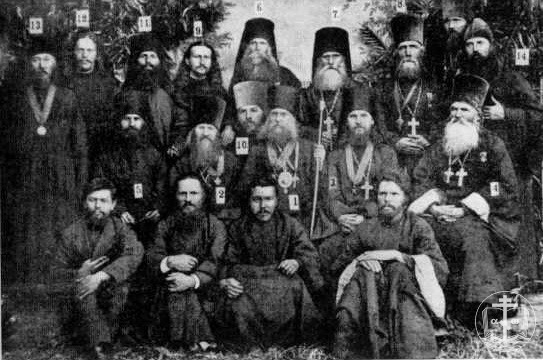
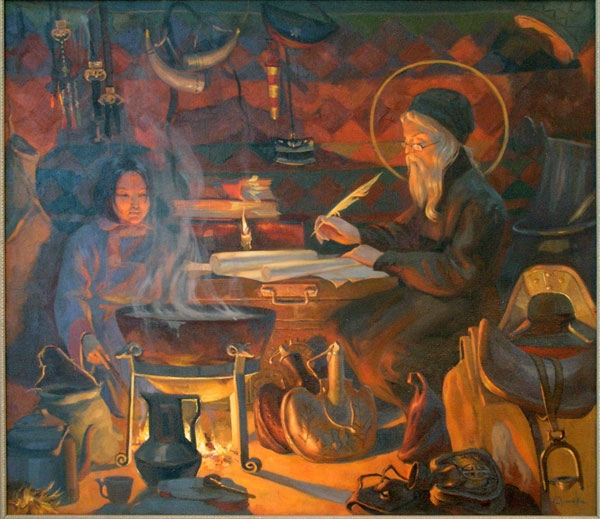
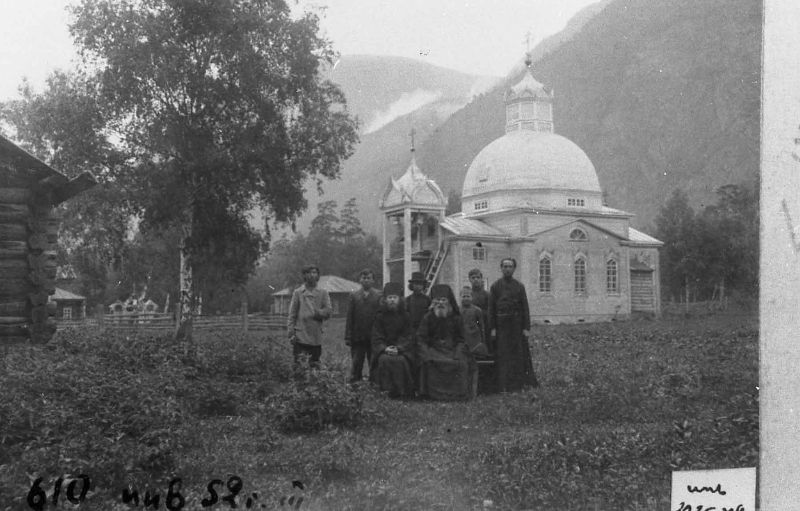
Share in social. networks
-
IGOR. Rogozina,
Altai State Technical University. I.I. Polzunova, g. Barnaul, Head. Department of English, Doct. filol.n., professor, irogozi@mail.ru - The paper attempts to fragment simulation religious consciousness of the youth on the basis of the association experiment.
- religious consciousness, concept, association experiment, language model
- Matting I.V.
- The article presents an attempt of modeling the religious fragment of youth consciousness on the basis of the association experiment data.
- religious consciousness, concept, association experiment, language model
- THE CONCEPT «ORTHODOXY» IN YOUTH CONSCIOUSNESS
UDC 378
The problem of "language and mind" refers to the number of basic linguistic problems. A special case is the problem of the relation of language and religious consciousness. Just remark DV. Alzheva, language and religion are "two of semiotics, two images of the world, two elements in the human soul, rooted in the subconscious, two deepest, disparate and interconnected in the beginning of human culture " [1].
Consciousness in general and religious consciousness, в частности, has a complex internal structure. Therefore, scientists offer different definitions of religious consciousness, reflecting the characteristics of the paradigms, in which appropriate studies. Most relevant for this article, на наш взгляд, is to determine, owned NB. Mechkovskaya, under which the religious consciousness understands "huge and complex world of human activity", coupled with the religious sentiments, religious thoughts and desires, as expressed in speech, actions, relationships with people [3]. Per se, the same idea, but only in compressed form expressed in the definition of religious consciousness, considering it with a focus on the end result of religious activities, associated with the assimilation of the divine teachings and following his canons in daily life [6].
Следует отметить, что, besides a large number of works, on the identification of features of the religious consciousness as such, there are studies, focused on the identification of trends in the development of the religious consciousness of Russians. Such a study, главным образом, based on the results of sociological research, whereby 60-70 % respondents consider themselves Orthodox, allowing researchers to consider the growth of religiosity of Russians as the leading trends [7]. Вместе с тем, study of religious consciousness by exclusively sociological methods appears to be insufficient and needs verification by other experimental methods, among which is the method used in psycholinguistics association experiment, enabling through veiling presumption present experimental test-word stimuli and receive responses, provide access to an operational fragments of consciousness. Иными словами, about the real state of the religious consciousness of Russians can obtain more reliable performance through access to appropriate language structures, representing the structure of mental.
To resolve this problem in 2012 g. an experiment was conducted, which was attended by 125 students of different specialties, Altai State Technical University. I.I. Polzunova. When choosing this particular age group of Russians, we proceeded from the understanding of the importance of attempting to reconstruct fragments of consciousness, associated with the Orthodox Church in the youth population, since the presence of Christian religious values, Christian morality is particularly important for entering into an active working life.
The experiment was carried comprehensive, since the first test was offered a sociological survey. The questionnaire included the question of whether, considers whether the party itself experiment Orthodox. Processing of questionnaire data showed, что 65 % respondents consider themselves Orthodox, что, it should be recognized, for this age group showed unexpected, but, at the same time, coincided with national trends.
After a poll was conducted association experiment, during which as a stimulus word test was offered token "Orthodoxy". In her presentation, Maintainer task immediately write the first word which came to mind, was obtained 123 and the reaction 2 failure. Formerly, we proceed to an analysis of the reactions during the experiment, it seems necessary to give them a general characterization, based on their own experience as data processing of a series of association experiments [8], and experiences of other researchers. Generally, reflecting the state of mind of the test, associative experiment "extracts", is mainly, that operationally significant for the individual ie. those meanings, which are formed under the influence of personal experience. That is why, along with some frequency responses to a stimulus word is almost always there is a significant diversification reactions, finding expression in a large number of individual reactions, fixing intensely personal experience, personal experience of any reality. However, the association experiment with word-stimulus "Orthodoxy" has found the opposite trend: 83 reaction (67,5 % the total number of reactions) had three frequency response - religion (23), faith (31), church (29).
Прежде всего, attention is drawn to the conceptual nature of these frequency responses, their detachment, abstracting from personal experience and personal religious experience, while religious consciousness - is "something more, than the sum of the individual elements, amenable to rational generalization, and above all his purely personal, inner experience of God " [6]. Иными словами, ordinary religious consciousness, can not fix the real religious practices: it arises and is formed by the impressions, which can be obtained through the performance of religious rites, worship attendance, presence in the Church and religious holidays, Bible reading. Therefore, Orthodox religious consciousness by definition must be directly related to the Orthodox religious life, absorbing the various facets of religious knowledge.
Noteworthy, and that several other non-frequency responses, referred us to the category of conceptual, also did not reveal the inner experience of belonging to Orthodoxy: Christianity (2), Christian (1), believer (1). Need to pay attention to the fact, that these reaction, with the conceptual nature, at the same time, indicate it is on the "external" to the Orthodox conceptuality. This conclusion is based on the, that scientists, dealing with religious consciousness, allocate it two levels: conceptual and everyday. Conceptual level "acts as a specially developed, systematized set of notions, ideas, принципов, concepts ", including the "doctrine of God, world and man, interpretation of the main areas of public life in accordance with the principles of religious outlook " [5]. However, the list does not show the reactions obtained in subjects such concepts, ideas and principles.
Notably, that received only three responses God, which also indirectly confirms the trend detected. Mental structure, formed as a result of hypostatizations God as the object of faith, is the central structural unit of the religious consciousness. Its representation in the experiment only three reactions was no evidence of typical Orthodox consciousness connection between God and man.
Consider the reaction, represents a conceptual (conceptual) realm of consciousness subjects, consider it necessary to turn to an analysis of its ordinary component. Ordinary religious consciousness is understood as "a set of images, representations, stereotypes, installations, illusions, habits and traditions, which are a reflection of the human condition in normal circumstances [5]. If the operational unit of storage is the notion of conceptual knowledge, storage format that mental images of everyday consciousness is representation, which is based on sensual visibility, and we are talking about mental results of all five human senses. Vision captures the splendor of Orthodox churches, Lights lampad, Candles; hearing zvučanie akafistov, of Psalms, Prayers and troparey; smell - the smell of incense; touch – touch to the cross, Icon, but the taste is enabled at Communion [6].
This was described by contemporary scholar of Russian iconography VV. Lepakhin, leading opinion of the famous Russian priest John of Kronstadt, that the church "churches and services affects the whole person: Acts ... his vision, hearing, smell, touch, taste, on the imagination, feelings, the mind and will of the icons and all the splendor of the temple, ringing, singing songbirds, Incense burning incense, kiss of the Gospel, cross and holy icons, Prosphora, mellifluous singing and reading the scriptures " [Loc. by: 6].
It is important to emphasize once again, that in the majority of experiments conducted by us associative representation on a share account for the highest number of responses, however, the number of reactions representations, received word-stimulus "Orthodoxy", was 12, или 9,8 % of the total: cross (4), cross (2), Brushes (1), Father (3), patriarch (1), monk (1). However, not only the number of, but the very nature of the above reactions indicative of subjects rather as external observers, as those, absent of any particular individual religious experience.
To interpret the results seem meaningful understanding of religious consciousness as a symbolic model, formed under the influence of cognitive, and emotional experience, because knowledge is directly connected with the emotional sphere of the human psyche [4]. Researchers claim, feature of consciousness that is the mentality of believers, "Characterized by heightened emotionality, exaltation, Misticon, Romanticism, belief in the supernatural " [6]. Therefore, the religious consciousness should include a special emotional and evaluative attitude of man to certain religious ideas and theories. However, if so, the amount of emotional responses of young people, consider themselves Orthodox word-stimulus "provoslavie" says unformed religious consciousness of the respondents in this age category. Obtained only 11 emotional and evaluative reactions (8,9 % the total number of reactions), wherein only 5 had a positive emotion / evaluation - our (1), truth (1), true faith (1), love (1), compassion (1). At the same time the other half reactions recorded negative emotion / evaluation - not mine (1), deception (1), nobody wanted (1), delirium (1), it is not clear (1), garbage (1).
Таким образом, experimental results allowed us to construct a model fragment of consciousness subjects, youth belonging to the age group, 65% who consider themselves Orthodox. Reconstructing a specific portion of the religious situation in Russia today, Received language model says not informed, subjective identification of respondents with Orthodoxy. Кроме того, reconstructed model does not have a complex internal structure, peculiar religious consciousness, because the reactions do not show involvement in religious ideas and values. The result, на наш взгляд, logical: "Because religious belief - is complex and rich cultural phenomenon, it is formed by the entire tenor, entire way of life, transmission of traditions at patterns of behavior, play them directly in the life, in all its spheres, but at the same time and a huge internal work - the work of feelings, ума, the human soul, you can not replace a simple visit to the church and even diligent and conscientious performance of religious rites " [1].
Literature
1. Alzhev, DV. History and theory of religion [Электронный ресурс] Access mode: http://lib.rus.ec/b/165755/read
2. Zenko, YM. Psychology of Religion: major problems and prospects [Электронный ресурс] Access mode: http://psyfactor.org/lib/zenko.htm
3. Mechkovskaya, N.B. Language and religion [Электронный ресурс] Access mode: http://www.gumer.info / bibliotek_Buks / Linguist / Mechkov / index.php
4. Pankyn, SF. History and theory of religion [Электронный ресурс] Access mode: http://fictionbook.ru/author/s_pankin/istoriya_i_teoriya_religiyi/read_online.html?page=1
5. Religious consciousness [Электронный ресурс] Access mode: http://www.grandars.ru / college / filosofiya / religioznoe-soznanie.html
6. Religious consciousness: essence, research methodology, sources, levels [Электронный ресурс] Access mode: http://www.libsid.ru/istoriya-religii/religioznoe-soznanie-suschnost-metodologiya-issledovaniya-istochniki-urovni
7. Religiosity and religious consciousness [Электронный ресурс] Access mode: www.prosv.ru/umk/ork/info.aspx?ob_no = 20363
8. Rogozina I.V. Political concept anthroponym: experimental study. Functional-cognitive analysis of language units and its applicative potential : I Materials of international scientific conference, 5-7 октября 2011 g. / Altai State Pedagogical Academy ; Institute of Linguistics ; All-Russian public "Russian Association of Cognitive linguists"; Altai regional office; под ред. И,SE. Колесова. _ Barnaul : AltGPA, 2012. - S.299-301.
9. Rogozina I.V. Homo Politicus as an object of study of cognitive medialingvistiki // Philology and people. – 2011. – № 4. С. 37-48.
References
1. Aljzhev, D.V. Istoriya i teoriya religiyj [Ehlektronnihyj resurs] Rezh of access: http://lib.rus.ec/b/165755/read
2. Zenjko, Yu.M. Psikhologiya religii: osnovnihe problems i razvitiya perspective [Ehlektronnihyj resurs] Rezh of access: http://psyfactor.org/lib/zenko.htm
3. Mechkovskaya, N.B. Yazihk i religiya [Ehlektronnihyj resurs] Rezh of access: http://www.gumer.info / bibliotek_Buks / Linguist / Mechkov / index.php
4. The Bank, S.F. Istoriya i teoriya religiyj [Ehlektronnihyj resurs] Rezh of access: http://fictionbook.ru/author/s_pankin/istoriya_i_teoriya_religiyi/read_online.html?page=1
5. Religioznoe soznanie [Ehlektronnihyj resurs] Rezh of access: http://www.grandars.ru / college / filosofiya / religioznoe-soznanie.html
6. Religioznoe soznanie: suthnostj, metodologiya issledovaniya, istochniki, LEVEL [Ehlektronnihyj resurs] Rezh of access: http://www.libsid.ru/istoriya-religii/religioznoe-soznanie-suschnost-metodologiya-issledovaniya-istochniki-urovni
7. Religioznostj s religious soznanie [Ehlektronnihyj resurs] Rezh of access: www.prosv.ru/umk/ork/info.aspx?ob_no = 20363
8. Matting I.V. Politicheskiyj koncept-antroponim: ehksperimentaljnoe issledovanie. Funkcionaljno-kognitivnihyj analysis yazihkovihkh edinica i ego applikativnihyj potential : materialih I mezhdunarodnoyj nauchnoyj konferencii, 5-7 oktyabrya 2011 g. / Altayjskaya gosudarstvennaya pedagogicheskaya agutin ; Lingvisticheskiyj institut ; Obtherossiyjskaya obthestvennaya «Rossiyjskaya Associaciya lingvistov-kognitologov» ; Altayjskoe regionaljnoe otdelenie ; pod red. I,Yu. Kolesova. _ Barnaul : AltGPA, 2012. – S.299-301.
9. Matting I.V. Homo Politicus some objhekt izucheniya kognitivnoyj medialingvistiki // Filologiya the chelovek. – 2011. – № 4. S. 37-48.
Received redaktsiyu27.10.12
Share in social. networks
-
N.D. Rostov,
Altai State Technical University. I.I. Polzunova, g. Barnaul, Professor of the Department ICTC, Doct. the historical. Н. , professor, ndrostov@mail.ru - The article describes the role of the Russian Orthodox Church and the military clergy in the spiritual and moral education of soldiers, in the formation of high and steadfast morale of the Russian army in World War II 1812 года.
- The Battle of Borodino, Odigitriя, Don Mother of God, Icon of Our Lady of Smolensk, Kazan icon, image of "The Omen" Blessed Virgin Mary (Kursk-Root), MI. Kutuzov, warrior-shepherd
- Rostov N.D.
- The role of Russian Orthodox Church and military clergy in spiritual and moral education of soldiers, in creating unshakable moral spirit of the Russian troops during the Patriotic war of 1812 is under discussion in the paper.
- Borodino battle, Odigitriya, Don icon of the Mother of God, icon of the Smolensk Mother of God, Kazan icon, image “Sign” of the Blessed Virgin (Kurskaya-Korennaya), M.I.Kutuzov, soldier pastor
- THE ICON OF THE SMOLENSK MOTHER OF GOD AS AN ELEMENT OF FORMING A FIGHTING SPIRIT OF THE RUSSIAN ARMY DURING THE PATRIOTIC WAR OF 1812.
UDC 94(47+57)
Vo has aloft defend pobezhdal Toth, who was stronger in spirit. Thinking today about the origins of the high morale of soldiers of the Russian Army, selfless service to the Fatherland, clearly emerged from the Second World War 1812 года, come to the conclusion that, that they lie in an indissoluble spiritual unity of the Russian Army and the Orthodox faith.
Historical experience shows Russian army: a large role in educating the soldiers of faith in God, pride Otchiznu, in shaping their patriotic consciousness, loyalty oath and military duty, readiness for self-sacrifice in the name of victory over the enemy and faith in the possibility of becoming immortal in the case of noble death for their country in centuries, the Russian state owned Orthodox Christian religion. Russian army soldiers were deeply and sincerely believing Orthodox people.
The Church and the Russian army has always united sacrifice their service to the Fatherland and the people. Homeland defense Orthodox Orthodox Christian religion considers sacred duty and sanctifies it as a feat for Christ. At all times, the Russian soldiers were defending not only their loved ones, but their faith, they inherited from their fathers and grandfathers. And the whole history of the Russian Orthodox Church is inextricably linked with the history of defending the homeland. Images of the saints and the Orthodox Church overshadowed battle flags Russian army in all the battles, starting from the thirteenth century. God's Word Scramble Russian soldiers on such achievements, before which respectfully bowed his head many foreign generals.
Holy icon, especially the icon of the Theotokos, has always been loved by the Russian people, who believed deeply, that has images of different images of the same single Mother of God. And how we behave as a nation remember, the world has always been the image of the Blessed and Blessed. Sergius of Radonezh, blagoslovivshiy Dmitry Donskogo of bitvu with Mongol tatarami of Kulikovom field, gave him the miraculous icon of the Mother of God Don. In the form of banners during a battle in September 1380 года, the feast of the Nativity of the Blessed Virgin, She was in the thick of battle. Grand Prince Dmitry Ivanovich on the eve of battle Russian soldiers called to fight: "... For the Lord, for the holy Church and the Christian faith; but this death is not death, but eternal life; not think of anything earthly, do not wish, brothers, earthly life ". Don Mother of God inspired by Russian soldiers and the greatest feat of self-sacrifice in the name of the Fatherland. And hard fought Russian soldiers not only arms, but agreed with the enemy in melee, fighting "for the Orthodox faith and the Russian land". And many hours of bloody battles, won the grand victory over the enemy.
In the soul of the Russian soldier always kept faith, that the very Mother of God through its icon helps them win. In many campaigns and battles XIII-XIX centuries was the image of "The Omen" Blessed Virgin Mary (Kursk-Root). In Grozny 1812 the icon "The Omen" was sent to the residents of the city of Kursk Russian Army Commander MI. Kutuzov, where he was in the Guard units, garnish later Transfiguration Cathedral Guard in St. Petersburg.
In 1812 , together with the Russian army has been battling in the battle of Borodino and the holy icon of Our Lady of Smolensk, Army brought with him from Smolensk. This icon was one of the oldest shrines of the Russian Land. She was called Hodegetria, which in Greek means "a guide to". Written by Luke the Evangelist, She was accompanied by Greek forces in the campaigns, and came to Russia in the mid XI century Byzantine princess Maria, issued for Perejaslavskogo Prince Vsevolod Jaroslavich. Them syn Vladimir Monomakh, received possession of Smolensk principality, put an icon in the city's cathedral, and since then it has received the name of Smolensk. In the middle of XIII century showed the miracle Icon: the intercession of the Mother of God of Smolensk repelled the onslaught of Mongol hordes.
Adjutant Field Marshal MI. Kutuzov a.i. Mikhailovsky-Danilevsky so telling about the last hours of the holy icon of stay in the burning town 1812 года: "Three days ..., during the raging battle of Smolensk Church ... shall not be shut, ministers of the altar of God made incessant prayer, of smoke, flame, if not silence the roaring thunder vent, methane destruction and death,Ablaze ... and the church bell tower, but all-night vigil on the eve of the Transfiguration of the Lord continued ". "... In the twilight army officers carried out of the church of the holy icon of the Annunciation of Our Lady of Smolensk, and then from, under the dull sound of bells, merging with a bang decaying buildings and thunder battles ", – party says the battle of Smolensk F. Н. Glinka. Departing from Smolensk, holy Icon was carrying in his mouth caisson batareynaya Colonel Glukhova, and since that time Theotokos accompanied Russian army in all subsequent battles to return it back to its shrine.
11 августа 1812 year in the Kazan Cathedral on the head chief of the Russian Army, General of Infantry MI. Kutuzov, the decreasing of the army in Petersburg, was assigned the holy icon of the Kazan Mother of God. 1 сентября 1812 , during the solemn consecration of the flag Petersburg militia event occurred, adopted Warriors, lined up on the square near St. Isaac's Cathedral, kindness omen, instill in their hearts faith in the future victory over the enemy. "At the end of a litany, – recalled one of its members, – as soon as the bishop became Metropolitan sprinkle holy water militia ranks, suddenly appeared in the sky a delicate white cloud; minute rain tiny spray watered host, and the cloud disappeared ".
On the eve and the day of the battle of Borodino, the holy icon of the Smolensk Mother of God was with the army. "24th in the morning all the shelves were prayers. Pyramid, composed of drums, were supplied image. One hundred thousand people troops, when unfolded banners, with kolenoprekloneniem, prayed fervently for help to destroy the enemies of the Fatherland. The feeling of love for one's homeland was at the time developed in all ranks ", – H notes. Н. Ants. In the morning 25 августа 1812 года, on the eve of the Battle of Borodino, According to participants in the battle, "... The Russians began to prepare for the fall for the Fatherland prayer in the church tent, set in the heart of the Army, in the service of the liturgy and in the translation of his in chudovny image of Our Lady of Smolensk ".
"... Around noon, – recalls an officer of the 1st Chasseurs Major MM. Петров, – our army stood under the gun for common prayer before the icon of Our Lady of Smolensk ... The whole army knelt, and together they offered their prayers to the, which inclines to win one way or another, and individually to settle their accounts with the sky, meekly bowing to the death or life of the coming of the day ". "... Not a small number of clergy regiments, joined us from Smolensk and other locations, – participant recalls the Battle of Borodino artillery officer of the 11th Artillery Brigade, 4th Infantry Corps General of Infantry AI. Osterman-Tolstoy Lieutenant G.P. Mišetic, awarded a golden sword with the inscription "For Bravery", shown by him in the famous battery Rajewski, – have borne the image of the Virgin of Smolensk Prisno-, Mother of our Saviour in all lines of troops, Cooking with heart fervent prayer before her God saves the life of the Fatherland ".
This was a deeply moving and heartfelt event vividly tells artillery officer Ensign Abraham S. Norov: "Deep – touching sight happened on this day, when the image of Our Lady of Smolensk at the church procession and prayerful singing was portages along the rows army, accompanied by several platoons of infantry shakos in the hands and guns to prayer. Warm religious feeling in motion the whole army; crowds of soldiers and warriors plunged to the ground and continually blocked the solemn procession, everyone wanted to at least touch the icon; eagerly listened to the singing Molebny, which for many of them done dirge, – they knew it, and many a warrior, which shone crosses on their caps, wore white shirts. Kutuzov prayed before the icon, and traveled all over the army, loudly acclaimed it ".
In 1911 году, the eve of the widely celebrated in Russia the 100th anniversary of the Patriotic War, known at the time the artist Boris Zworykin wrote watercolor, depicting a great episode in the history of the Battle of Borodino - prayer on the positions of the Russian troops on the eve of battle.
"... All the afternoons Russian soldiers cleaned, tidied their weapons, and almost till evening to worship the icon of the Mother of God of Smolensk was all the host ", – Participants recalled the Battle of Borodino.
In the name of the Christian Orthodox faith of their ancestors, in the name of the Fatherland in the Borodino battle Russian soldiers showed the greatest resistance and sacrifice. "Russian, – French narrator notes, – wanted to fulfill a vow heart, this eve before the holy icon of the Virgin, great vow: "Put your head for Faith and Fatherland". "Every last soldier considered themselves intended by the Lord to protect the skies (sky) and the sacred land for them, – noted in his memoirs Philippe de Segur about what they saw before the battle on the positions of the Russian Army. – The French had no celebrations, no religious, neither military, the show there was no, nothing, that would help raise the spirit ".
After the Battle of Borodino icon cannon carriage drove on ahead of the troops and after every victory served thanksgiving services. In early November 1812 goda with razgromom 3 it armeyskogo housing Marshal M. Ney near the town red and the liberation of Smolensk icon was returned to the city, where he kept several centuries. Exactly three months was an icon in the army: 6 August, she was taken from the burning of Smolensk and troops 7 November left them. In an accompanying paper, drawn to the senior cleric in, Lieutenant General P.P.Konovnitsyn wrote the following words: "The troops with awe matured themselves in the midst of this image and thought it favorably pledge mercy of the Most High ... But now, When the Almighty God has blessed Russian weapons, and with the defeat of the enemy Smolensk cleared, I ... I attach the holy icon of Our Lady of Smolensk back, yes it shall remain in the same place and it is celebrated in the Russian God, punishing wonderfully haughty enemy, disturb the peace of nations ".
The icon was greeted with delight residents of the city. Archimandrite Damian describes this exciting and joyful event: "Tenth Sunday in November of the Assumption Cathedral, remaining undefeated French, citizens, the clergy and the army headed a solemn procession to meet the miraculous image. При встрече его за Молоховскими воротами начато было духовенством пение молебного пения Богоматери. При вступлении в город святого образа было сделано несколько пушечных выстрелов, and in all the churches rang the solemn ringing. When the holy icon was presented to the Uspensky Cathedral, then officers, was in Smolensk troops, was brought to the cathedral's, where he was sent moleben ". After solemn prayer citizens expressed their desire, to all the circumstances of the icons stay in the army and return it to Smolensk was marked on the icon itself. In 1912 by Supreme Decree seven regiments of Russian army, most affected in the Great Patriotic War, among which was the image of Our Lady of Smolensk, now had to have a copy of this image as the greatest regimental shrine.
Narrative would not be complete, if we paid attention to the clergy unfairly Russian army, anyone with a cross in his hand lifted the spirit of the soldiers, transforms shelves and contributed to the victory, who, performing his duty, communion to the dying
of wounds, supported wounded, set an example of courage fighting soldiers.
Along with the award participants battles of World War II and overseas trips 1813-1814 гг. silver medals in memory 1812 , on behalf of the imperial decree of 30 августа 1814 year for priests, sending church services throughout the war, was established bronze pectoral cross on Vladimir tape. It is awarded to all the clergy, Served in 1812 Total year was awarded 244 priest military spiritual department. The right to wear this award was granted and their descendants 1912 году.
In the history of our Motherland preserved the names and descriptions
feats of military chaplains, who for the sake of victory over the enemy sacrificed their lives. Unarmed, holding only the cross, They walked in front of the soldiers in the thick of the fray. The list of 12 priests different regiments, awarded the medal "In memory 1812 Year " 15 ноября 1817 года, established nominal imperial decree 22 декабря 1812 года, appear clergymen from Siberian infantry and Chasseurs, took part in the Battle of Borodino.
List regimental priests, awarded the Medal
"In memory of 1812 г.»
infantry regiments:
Butyrskiy – Basil Halchenko
Minsk – Ioakim Šatikovič
Selenginskogo – John Elanskiй
Tobolsk – Fedor Speranskii
Tomsk – Nicephorus Dmitrov
Chasseurs:
18-th Chasseurs – Ulia Overseas
First knight of the Order of St. George 4th class of priests, awarded in March 1813 years, on the General Field Marshal MI. Kutuzov, considered to be a priest of the 19th Chasseurs (Siberian) Vasily Regiment Vasilkovskiy. He first distinguished himself in the battle of Vitebsk. When the huntsmen went into battle, then Vasilkovskiy, at the behest of the heart, was in battle formations and blessed cross Regiment. In the midst of battle, he was among the soldiers in the hottest fire, encouraging and inspiring fighting, naputstvuya wounded. Despite receiving a serious wound, he remained on the battlefield. Suddenly the enemy bullet hit the cross, vysevshyy on chest Vasilkovsky. Cross bent, but saved the life of his father Basil. In a fierce battle Maloyaroslavets, in which the city seven times passed from hand to hand, priest Vasily Vasilkovskiy is an example of courage and fearlessness: "... While in battle, He walked in front of the regiment ... and the example of his courage encouraged the soldiers to the rapid defeat of the enemy ". After the battle, the commander of the 6th Infantry Corps General of Infantry DS. Dokhturov reported to Field Marshal MI. Kutuzov, that "the priest Vasilkovskiy in this battle was with a cross in his hands in front of the regiment and their teachings and example of courage encouraged the soldiers to stand firmly for the Fatherland". In the combat formations of the regiment he was wounded in the head and leg. Wounds and contusions made themselves felt. After 1813 Basil died years Vasilkovskiy. The whole regiment mourned courageous warrior shepherd.
Tradition of spiritual and moral education of soldiers by example of faithful service to the Fatherland, continued willingness to sacrifice the priests of Siberia and in the subsequent military history of the Fatherland. In the Russian-Turkish war 1877 – 1878 гг. for distinguished service and bravery in the battles of Plevna was marked by military order priest 9th Grenadier Regiment Siberian Eustace Semenov. Order of St. Anne 3rd degree with ribbons and gold pectoral cross on St George's ribbon was awarded Father Nicholas Sloboda, priest of the 12th Infantry Regiment of Barnaul Siberian for, that during the battle of the Russian-Japanese War 1904-1905 гг. a hail of bullets and shells was in the ranks of soldiers and, selflessly performing their duty, admonished the wounded and burying the dead. Student 1-year student of the law faculty at Tomsk University Church of the Ascension of the village priest Gonbinskogo Altai district Eleutherius Makarenko organized a subscription to the construction of the temple marching, first sacrifice 100 rubles for its equipment. He was appointed to his regimental priest and voluntarily went to the front. Bravery on the battlefield in World War I showed the priest 9th Grenadier Regiment Siberian Konstantin Epiphany, award for bravery in the battles Brusilov breakthrough Military Order.
Thumbing through the pages of numerous battles, that involved Russian army, pay tribute to, be fair and appreciative. Together with the commanders and officers of the Russian army and the Russian Orthodox Church of the military clergy have made a significant contribution to the spiritual and moral education of soldiers, in the formation of high and steadfast morale of the Russian army.
Let us always remember the covenant of the outstanding Russian commander Field Marshal Mikhail Kutuzov: "If Russia will always fight for the faith of their forefathers and honor folk, glory is their eternal companion will ".
References
- 1812 year in the memoirs of contemporaries. - M., 1995.
- 1812 год. Memories of soldiers of the Russian army: of Works,. Division. written sources State. same. Museum. -M., 1991.
- Bloodless L.G. Readings in Russian military history. - M., 1947.
- Glinka, F.N. Letters of a Russian officer. - M., 1990.
- Damian. Smolensk Icon of the Mother of God and 1812 год. - St. Petersburg., 1912.
- Kiselёv, А. Miraculous Mother of God in the history of Russia. - M., 2000.
- Melnikova, L.V. Patriotic War 1812 year and the Russian Orthodox Church // Domestic history. – 2002. № 6.
- Ants, Н.Н. Papers // Russian memoirs: favorites page. History 1800 – 1825 гг. - M., 1989.
- Oskyn, Г.И. Studying military past of our homeland. – 1971.
- Liver, Н.А. Revival of oblivion. - M., 1993.
- Rozanov, С. Prayer service at Borodino // God's peace. – 1998. №1.
- Russia moved sons: note of the Patriotic War 1812 , its participants and witnesses. - M., 1988.
- Segur, Ф. The Battle of Borodino. - Kiev, 1897.
References
1. 1812 god in vospominaniyakh sovremennikov. – M., 1995.
2. 1812 god. Vospominaniya Voinov russkoyj armii: from SOBR. otd. pisjmennihkh istochnikov Goose. is. muzeya. –M., 1991.
3. Beskrovnihyj L.G. Khrestomatiya russkoyj voennoyj po istorii. – M., 1947.
4. Clay, F.N. Pisjma russkogo officer. – M., 1990.
5. Damian. Smolenskaya icon Bogomateri i 1812 god. - SPb., 1912.
6. Kiselyov, A. Chudotvornihe icons Bozhieyj Mother of istorii Rossii. – M., 2000.
7. Meljnikov, L.V. Otechestvennaya voyjna 1812 Goda i Russkaya pravoslavnaya cerkovj // Otechestvennaya istoriya. – 2002. № 6.
8. Muravjyov, NN. Records // Russkie memuarih: izbrannihe p. history 1800 – 1825 gg. – M., 1989.
9. Osjkin, G.I. Izuchenie boevogo proshlogo nasheyj Rodin. – 1971.
10. Pechenj, N.A. Vozrozhdenie from zabveniya. – M., 1993.
11. Rozanov, S. Moleben on Borodinskom pole // Bozhiyj mir. – 1998. №1.
12. Rossii dvinulisj sihnih: notes the Otechestvennoyj voyjne 1812 Goda Eyo uchastnikov i ochevidcev. – M., 1988.
13. Segyur, F. Borodinskoe srazhenie. – Kiev, 1897.
Received 17.06.12
Share in social. networks
-
TA. Semilet,
KGBOU ACT "Altai State University",
Barnaul, Professor of the Department of Journalism, Doct. Philosophy. n., professor, semilett@rambler.ru - The article describes the principles of a culture historically, which combine to produce its basic "formula" cultural organism, his "life project". In Russian culture leading role belongs to the Orthodox Church, it - the spiritual core of our culture, providing its originality, integrity and viability as a self-replicating and self-developing powerful organism.
- religion, orthodoxy, mentality, ethnogenesis, эtnokultura, solidaristskaя paradigm
- Semilet T.A.
- The paper deals with the historical principles of culture together creating the basic “formula” of a cultural organism, its “vital project”. In Russian culture the leading role belongs to Orthodoxy. It is the spiritual core of our culture providing its originality, integrity and viability as a self-replicating and spontaneous powerful organism.
- religion, Orthodoxy, mentality, ethnogenesis, ethnoculture, solidarity paradigm
- ORTHODOXY AS A SPIRITUAL CORE OF RUSSIAN CULTURE.
UDC 271.2:355:17.02
Religion - a powerful social force-design. Today it is recognized the pivotal role in the establishment and strengthening of independent civilizations, cultural-historical types, individual societies and cultural communities. Именно религия выступает решающим фактором в образовании наций и в межнациональной региональной консолидации народов и государств. Она – «кристаллическая решетка» духовного строя народа, включающая квинтэссенцию его духовных исканий и задающая структуру и направленность в развитии всей последующей духовной жизни.
Можно сказать, religion - the soul of the people, его конституция и футурпроект. And Abbot. Ekonomtsev rightly asserts: «Именно религиозный элемент, а не расовый и племенной, является ферментом этногенеза, подобным песчинке, которая, попадая в раковину, ведет к образованию жемчужины… Этнический тип складывается в результате смешения различных племен и расовых групп, продолжительного взаимодействия с внешней средой, сцементированный единой религиозной идеей, единым языком и культурным фондом, весьма быстро проходит инкубационный период и приобретает поразительную устойчивость. Сменилось, например, всего два-три поколения после Крещения Руси, и конгломерат враждовавших между собой племен – вятичей, полян, древлян, дулебов и т.д. – превратился в единую русскую нацию»[1, с.150–151].
При этом православие, подчеркнем, стало решающим фактором в формировании ее менталитета как относительно целостной совокупности «навыков духа»: мыслей, feelings, образов, стереотипов восприятия, создающих картину мира и детерминирующих единство культурной традиции органического культурного сообщества.
Будучи мощной детерминирующей и ориентирующей силой культуры, менталитет имеет солидную долю в осуществлении регулятивной и трансляционной функций. Он выражает бессознательные и полусознательные культурные «шифры», «коды», в которых запечатлен исторический опыт этно- и культурогенеза. Он выражает особенный умственный, психический и нравственный строй этноса, formed under the influence of historical conditions of the people and inherited from generation to generation. Он проявляется в идеалах, ценностных предпочтениях, стремлениях и ожиданиях представителей той или иной культурной системы.
Эта определенная психическая и интеллектуальная склонность, заданность, равно как и ориентированность на те или иные ценности, проявляется как социальный генетический код общности и воспроизводится с устойчивостью физических расовых признаков. Эти «геномы» культуры в силу своего индивидуального характера и психической глубинности не поддаются сознательному воздействию или изменению, чем придают культурной системе целостность, устойчивость, качественную самотождественность при всех поворотах социальной и политической судьбы. От их целостности, свободы и аутентичности проявлений зависит жизненность культурной системы и ее «здоровье», так как при их подавлении, ломке, замещении чужеродными элементами культура утрачивает свою органичность, способность к самовоспроизведению, self-preservation and self-realization. Отдельный человек и народ в целом не могут произвольно изменить менталитет, не могут и победить его: подавление определенных сущностных для народа черт, противоречие им может привести лишь к тому, что они проявятся, «вылезут» в другом месте, в искривленном виде или отрицательном значении.
Менталитет накладывает свой отпечаток на все сферы человеческой жизни, проявляется в хозяйственной, политической, legal, нравственной, художественной, научной деятельности.
Действие этой мощной социальной силы сказывается как на макросоциальном, так и на микросоциальном уровнях. Если какая-то идея или реформа соответствуют менталитету общества, они воплощаются быстро и безболезненно, как бы естественно «врастая» в общественную жизнь или «произрастая» из нее, а не конструируются и не насаждаются искусственно. Если же идея или реформа противоречат ментальным ориентациям общества, то они обречены на провал, на искажение и деформацию до неузнаваемости или полной своей противоположности.
«Есть особенности народной психологии, есть черты национального характера и гения, которые надлежит принять как типический феномен и внутренне неизбежный двигатель судеб страны, – пишет Вяч. Иванов. – Как бы мы ни объясняли их, – географическими и этнографическими условиями и данными материального исторического процесса или причинами порядка духовного, – мы равно должны признать их наличность, действенность, быть может провиденциальность в развитии народа» [2, с.365].
Пережитые события истории, приобретенный на заре формирования этноса социальный опыт оставляют определенный духовно-психический по субстрату, образный и структурный по форме «осадок», который впоследствии во многом задает строй и ориентированность этнокультурной системе, defines its preferences and inclinations in the situation changing reality.
Будучи фактором этногенеза, entering the "flesh and blood" of culture, религия накладывает неизгладимый отпечаток на культурную индивидуальность, на ее дух, душу и социальное тело.
Лев Карсавин писал: «Культура создается свободным субъектом и есть своеобразное его самопроявление, частью живое и становящееся, частью словно отрывающееся от субъекта и застывающее в форме традиции, которую он свободно приемлет, одобряет и видоизменяет соответственно «духу» или целому культуры, т.е., в конце концов, соответственно себе самому» [3, с.175].
Главное содержание традиции – дух народа, та «смысловая матрица», которая создает самобытный социально-духовный организм – этнокультуру. Можно согласиться с утверждением, что многообразие существующих в мире культур в значительной мере обусловлено многообразием соответствующих культурных традиций.
Традиция транслирует смысложизненные ориентации, такие как стремление к накоплению богатства или к нестяжательству, преобразовательное или приспособительное отношение к природе, а также экстравертную или интровертную направленность личности, эгоизм или альтруизм, воинственно-конфликтное или дружески-солидаристское отношение к соседям и другие подобные, носящие интегральный характер. Под культурной традицией понимается то, что сохраняет определенную культурную систему, обеспечивает ее качественное своеобразие, самовоспроизводимость, самотождественность в истории, непрерывность жизни культуры вопреки прерывности жизней отдельных ее представителей и смене людских поколений.
Традиция, понятая как культурное наследование и наследие, предстает как жизненная сила культуры, как механизм сохранения и воспроизведения культурных констант. Содержанием традиций при этом считают общественные установления, valuables, идеи, религиозные верования, поведенческие нормы и образцы, личностные ориентации. Наиболее сильна в культуре религиозная традиция, так как здесь воспроизведение духовных смыслов и образа жизни освящается высшим абсолютным божественным авторитетом.
Славянские народы, на процесс этногенеза которых сильное влияние оказало греческое православие, составили вместе с ним Восток Европы, в то время как романо-германский мир – ее Запад. И здесь явно видны ментальные различия. А. Khomyakov noted their, например, в таком факте, что «праздник праздников» в западноевропейском христианстве – Рождество, а в православии – Пасха. В рамках этой логики некоторые исследователи утверждают, что можно говорить о «рождественской» и «пасхальной» культурах. Для первой главное события священной истории – рождение Христа, его вочеловечивание как «акт участия Бога к человеку и в судьбе человечества», как оправдание человеческого наличного бытия таким, какое оно есть. Для «пасхальной» же культуры важнее всего призыв к человеку уподобиться Богу, указание пути к спасению и жизни вечной. Это призыв к ответной любви человека к Богу, к богочеловеческому восхождению, к осуществлению христианского идеала. Здесь проявляются человекобожеский посюсторонний гуманизм западного христианства, с одной стороны, Богочеловеческий теизм и эсхатологический идеализм восточного христианства – с другой. Славянскую культуру определяют как культуру иоановскую по имени автора Апокалипсиса, ибо она ориентирована на Царствие Божие, на эру Добра и Милосердия.
Именно традиции «духовного христианства», MBX I considered. Chaadaeva, лежат в основании русского религиозно-психологического уклада и являются плодотворным началом своеобразного развития России. «Мы искони были люди смирные и умы смиренные – так воспитала нас церковь наша, единственная наставница наша. Горе нам, если мы изменим ее мудрому учению. Ему мы обязаны всеми лучшими народными свойствами, своим величием, всем тем, что отличает нас от прочих народов и творит судьбы наши», – писал он Вяземскому в 1847 году [4].
В отличие от католичества, according MBX. Chaadaeva fruits of Orthodoxy in Russia is not a science, развитое право и благоустроенная жизнь, а особое душевное и духовное устройство человека, бескорыстность сердца и скорость ума, терпение и надежда, совестливость и самоотречение.
П.Е. Astafjevs in the book "The Philosophy of the nation and the unity of the world", характеризуя культурные особенности русского народа, noted: «Наш народ менее всего юридический или политический народ, в очень слабой степени – социально-экономический и в высочайшей – нравственный и нравственно-религиозный». И далее относительно так называемого правового нигилизма: "But it is in the name of conservation ... completeness and balance of his spirit, precisely because, what is more valuable and above all for him, his soul and salvation, и относился русский народ всегда более или менее равнодушно, а часто и враждебно к внешне организаторским задачам вообще, оказывал и мало склонности, и мало способности к формальной организации и организованной деятельности. Та деятельность, которой требует его действительно практический здравый смысл и которая необходима для спасения души его…, представляется для него всегда как деятельность личная (хотя бы и не для личных целей), по существу своему нравственная, but not organized in the legal or political forms, не механизированная, – ибо всякая организация деятельности есть непременно и механизация ее, ограничение ее личного, чисто духовного творческого источника.
Дорожа выше всего этим личным, творчески воплощающим всю полноту его духа и нравственным, а не отвне регламентированным характером своей деятельности (на свою ли, на общую ли пользу – все равно), русский народный характер и не может не относиться равнодушно недоверчиво или враждебно к исключительным задачам устроения внешних форм, внешней организации жизни.
Поэтому он и ведет спустя рукава даже дело устроения своих внешних благ и средств (не это для него важно!), бесконечно более думает о нравственном характере своих поступков, об их моральности, чем об их юридической правильности, об их легальности» [5, с.44].
У каждой культуры своя оригинальная «формула» и своя «генерализованная ценность», выражающая самое важное и дорогое для ее представителей. Генерализованная ценность русской культуры – совесть, справедливость, милосердие. Это культура цельности и соборности: цельное знание, неотделенность чувства и разума, истины и справедливости, неотделенность личных интересов от общественности; коллективное, соборное и согласное духовное социальное бытие. Это культура главенства духовного над материальным, содержательного – перед формальным, нравственного – перед правовым. Это культура сочувствия, соучастия и сопричастности к ближнему, and the natural basis of its politics and economy - paradigm solidaristskaya.
Границы ареалов мировых религий условны, но они очень четко прослеживаются и сохраняются на протяжении веков. Эти демаркационные линии обусловлены действием реальных социокультурных сил, наличием стержневых принципов культурного строя народов. In this respect the rights of the American researcher civilization processes With. Huntington, утверждающий, что сегодня «цивилизационные разломы» намечаются в первую очередь по границам культурных ареалов, а «бархатный занавес» культур разделяет народы в значительно большей степени, чем «железный занавес» идеологий [6].
The uniqueness of each culture is determined by the principles of, которые складываясь исторически, create their combined basic "formula" cultural organism, his "life project", and in Russian culture, this role belongs to the Orthodox Church, it - the spiritual core of our culture, providing its originality, integrity and viability as a self-replicating and self-developing powerful organism.
References
- Father Superior, И. Ekonomtsev. Православие. Vizantizm, Россия. - M., 1992.
- Ivanov Vяch. Native and universal. - M., 1994.
- Karsavin, Л.П. The policy framework // Russia between Europe and Asia: Eurasian temptation. - M., 1993.
- Chaadaeva, MBX. Selected Letters. [Электронный ресурс]. – Режим доступа: http://ruslit.com.ua/russian_classic/chaadaev_pya/izbrannyie_pisma.15418/.
- Astafev, П.Е. The philosophy of the unity of the nation and the world. - M., 2000.
- Huntington, С. Clash of Civilizations. [Электронный ресурс]. – Режим доступа: http://socioline.ru/pages/samyuel-hantington-stolknovenie-tsivilizatsij/.
References
1. Igumen, I. Ehkonomcev. Orthodoxy. Vizantizm, Rossiya. – M., 1992.
2. Ivanov Vyach. Rodnoe i vselenskoe. – M., 1994.
3. Karsavin, L.P. Policy-based // Russia mezhdu Evropoyj Azieyj: Evraziyjskiyj soblazn. – M., 1993.
4. Chaadaev, P.Ya. Izbrannihe pisjma. [Ehlektronnihyj resurs]. – Rezhim dostupa: http://ruslit.com.ua/russian_classic/chaadaev_pya/izbrannyie_pisma.15418/.
5. Astafjev, P.E.. Philosophy mortal i yedinstve mirovozzreniya. – M., 2000.
6. Khantington, S. Stolknovenie civilizaciyj. [Ehlektronnihyj resurs]. – Rezhim dostupa: http://socioline.ru/pages/samyuel-hantington-stolknovenie-tsivilizatsij/.
Received redaktsiyu20.06.12
Share in social. networks
-
Н.Н. Столярова,
KGBOU ACT "Altai State Technical University. I.I. Polzunova »,
Deputy. FGO thatthe, Candidate. filol.n., docent, nadezhda_stolyar@mail.ru - The author addresses the problem of maintaining a culture of Altai Germans. Study the question, Altai as the Germans could under the circumstances to maintain its distinct culture, richness of his spiritual life, accumulated over the years since the appearance of the first German settlement in the land of the Altai, and does not dissolve in a medium other.
- culture, Russian Culture, Culture Altai Germans, Dialects
- N, N Stolyarova.
- In the article the author turns to the studying of the problem of preservation of Altai Germans culture. The author researches how Altai Germans were able to preserve their culture, a part of their spiritual life which was accumulated since the appearance of the first German settlements in Altai and they were able not to dissolve in it.
- culture, Russian culture, culture of Altai Germans, dialects
- THE PROBLEM OF PRESERVATION OF TRADITIONAL GERMAN CULTURE IN ALTAI.
UDC 316.347
Cultural life in Germany in all its diversity, with its inherent contradictions and mootness is rooted in the centuries-old German tradition. Components of German culture in their homeland is architecture and music, literature and painting, theater and television. All of these forms are significant for it is equally, but is especially significant linguistic form of life.
The literature often found expression, that all human cultures are equal. In real life, this thesis is not always filled with relevant content. For many ethnic groups is only a "dreamboat", whose implementation is the meaning of their existence. There is a perception, that culture must necessarily translate into greatness temples, known manuscripts, major accomplishments. Unity of world civilization interesting variety of specific manifestations of cultures, their dissimilarity. It is therefore necessary not only to recognize the equivalence of cultures, but to see the intrinsic value of each. This interesting and appeal to people of any heritage, regardless of its size and its contribution to the development of the national culture. To explore any aspect of human thought, activities, to know the lives of the people in all its diversity, necessary to limit the scope of research within a small geographic area, т.е. create a "total history". "Total history"- history of a particular area, создание которой позволяет преодолеть традиционные барьеры материально-производственной специализации.
Appeal to the German culture of Altai, you had to go through in its history more than one relocation, more than one attempt destruction, interesting from the point of view of, as they could under the circumstances to maintain its distinct culture, of the wealth of the spiritual life, accumulated over the years since the appearance of the first German settlement in the land of the Altai, and does not dissolve in a medium other.
Главной сохраняющей силой немецкой культуры на Алтае стали не просветительские учреждения, культурные центры, национальные школы, а немецкое село, family, религиозная община. Эти образования и сегодня инициируют интерес к немецкой культуре и языку. Во многих селах края созданы немецкие фольклорные ансамбли песни и танца. [1]
Старшее поколение продолжает хранить свои традиции, а современная молодежь под влиянием русской культуры утрачивает национальные традиции и обычаи, не знает своих корней, forgets songs and other genres of folk art. In such a situation, the connection of generations, and people without memory, without the knowledge of their origins, historical experience devoid of perspective and is able to live only for today. History remembers many examples, when many nations, lost their culture, исчезли с исторической арены, а малочисленные, сохранив её, возрождались, несмотря ни на какие трудности. Вот почему необходимо хранить национальную культуру. Только воспитание чувства ответственности за судьбу своего народа может способствовать сохранению и возрождению всего лучшего, что накоплено самим народом. But the revival of German culture can not occur in isolation. This process may be active, effective and fruitful only on the basis of synthesis of traditional, modern, национальной и общенациональной российской культур.
Сегодня в немецких селах диалекты служат единственной пока базой для сохранения и дальнейшего развития национальной культуры, традиций алтайских немцев, а культурные традиции и особенно праздники, и обряды, в свою очередь играют огромную роль в сохранении диалектов. Историки, лингвисты сходятся во мнении, accommodation Altai Germans in isolation from the metropolis led to the preservation of archaic elements in their culture. In this sense, the Germans Altai Territory are a unique facility not only for the ethnographic, but also for linguistic research. [1]
Язык в этнических границах его носителей – это не только средство общения, но и память и история народа, его культура и опыт познавательной деятельности; entrenched it from generation to generation of knowledge of reality. This knowledge is recorded in the language in order to preserve the nation and its identity.
Every culture with a special markup creates its own space and time, which are artificial and the same for all members of the community. One of the main goals of communication Altai Germans is furnished living space away from the genetic homeland, preservation of archaic cultural elements in the communication process. Историки, ethnographers, лингвисты сходятся во мнении, accommodation Siberian Germans in isolation from the metropolis led to the preservation of archaic elements in their culture and in speech. Comparing communication process Altai Germans and Germans, living in their genetic homeland, we can conclude, что у последних в современный период соблюдается прогрессирующее исчезновение архаики в культуре и в речи. Алтайские немцы в речи используют такие лексические единицы, that the Germans on their genetic homeland are very rare, either gone out of use in general. Например: Schnerch (daughter-in-law), Tour of Erman (son-in-), the heavy, the Swieger (mother-in-law), her (here). They believe, что архаичные элементы немецкого языка являются непосредственной составляющей их устной истории, German discourse provide a drift in time.
In the communication process Altai Germans created a special type of reasoning (дискурс), which allows you to match the synchronized stage of development of the drift and, соответственно, оставаться алтайским немцам в контексте их истории, в ее устном варианте.
Under discourse Altai Germans understood as a set of discursive processes, where there is a combination of different sequences. In the structure of discourse (reasoning) Altai ethnic Germans combined, historical, yazыkovыe sequences, forming a special virtual reality. This can be illustrated by the example of thematically unified discursive process "Implementing the lexical units of the German discourse in oral communication Altai Germans", concept in which W. Jaeger is designated as a branch of discourse [2]:
– There are many interesting old words. We say Schnerch for daughter. Do you know this word?
– Already, already
– Is said to this Schnerch?
– Already, is there.
– Yet they say it with you?
– Already, but little. How do you say to Schwiering Gerson?
– Tour Erman.
In this branch of discourse can be seen, that ethnic and historical sequence match. Altai Germans use lexical units in speech, German discourse which are very rarely used, Altai Germans thus create their virtual space on the territory of the Altai, their oral history.
– If there is Mischien, is then the family language Russian or not?
– If a Russian woman is a German marries the Family Language Russian. You can also speak German.
– And if you talk to one another German, she speaks with dialect or literaturisch?
– With dialect. This is very interresting, if his wife has a very different dialect than we. You schähmt and speaks very little. She speaks Russian with us, it is not so, So less.
– What it says otherwise?
– We say later and she says spoter.
– How actually speak the children when they play?
– Do you speak Russian and German.
– When you have been lying in kindergarten with the German program?
– This was 3 Years back.
– And there are still more kindergarten teach the German?
– And, clearly there is still.
Presented above show communicative actions, that the core of society as a system is structured normative order, which organizes the collective life of the population, each behavioral system exists due to certain operating standards. Так, например, if the Russian woman married a German, then, according to the norms, their family language is Russian. She can speak both German, but very shy, as her dialect different from their.
Таким образом, we can assume, that an independent behavioral system "Altai Germans" is a unique one culture, which provides a specific language for talking and listening to all the organization of space and time. Altay German, like any German, living in Russia, remains the problem of preservation and development of their culture, which is subjected to Russification.
References
1. Mathis, VI. Germans Altai / In. И. Mathis, Barnaul, 1996.
2. Hunter, S. Discourse and knowledge. Theoretical and methodological aspects of a critical discourse - and dispositive analysis // S Jäger, R Keller (Hg.): Manual, 2003.
References
1. Matis, V.I. Nemcih of Altair / In. I. Matis, Barnaul, 1996.
2. Hunter, S. Discourse and knowledge. Theoretical and methodological aspects of a critical discourse - and dispositive analysis // Jager S, R Keller (Hg.): Manual, 2003.
Received 18.06.12
Share in social. networks
-
TI. Suslova,
FGBOUVPO "Tomsk State University of Control Systems and Radio Electronics" (TUSUR), g. Tomsk, Head. Department of Philosophy and Sociology, Doctor of Philosophy, professor, tis1@main.tusur.ru - The article discusses the concept of tradition and traditionalism in Russian spiritual culture. A modern interpretation of tradition is represented as meeting space tradition and innovation.
- tradition, Traditionalism, psevdotradiciâ, ideological and primitive traditionalism
- Suslova T.I.
- The paper deals with the terms of tradition and traditionalism in Russian spiritual culture. The tradition is a space where the tradition and innovation meet.
- tradition, traditionalism, pseudo tradition, ideological and primitive traditionalism
- THE SPIRITUAL CULTURE OF RUSSIA: TRADITIONS AND TRADITIONALISM.
UDC 008.001.14
Orthodox spiritual and academic science indicates, that a clear understanding of the traditions are rooted in the system of ecclesiastical succession. Н.П. Aksakov Starter XXI century wrote: "The Church keeps tradition, instead it creates, does not accumulate and can not produce, partly as a professed Roman Catholicism. Предание в истории может систематизироваться, производить выводы из вложенных в него посылок, но не может включать в себя новые начала, обогащаться новыми элементами» [1, С.376-377]. По Аксакову предание именно вложено в Церковь и хранится ею, как некое иное по своей природе, привнесенное извне сокровище. Русская культура – культура православная. Наша церковь призывала сосредоточиться не на мирских делах, а на делах божественных. Nestyazhatelstvo and Old Believers - not an accidental phenomenon in church history and the history of society as a whole. Sympathy for such flow, as Hesychasm, with his preaching austerity, oblivion personality, complete surrender to God deeply symbolic. Russian people gave little importance to external forms, methods, Drugs, focusing on large order, world problems. A related constructions utopianism Russian thinkers; Here lies one of the reasons for the spiritual development of hypertrophic, cultural foundations - to the detriment of civilization. In the last decade in the national culture have attempted to radically reorient approach to tradition, escape from the objectivist, плюралистического ее рассмотрения, принять в расчет сугубо «внутренние» ее характеристики. Это придало проблеме актуальность и вызвало оживленные споры вокруг категории «традиция», "Sacred Tradition and Sacred Tradition", "Traditional society", "Traditionalism". Especially popular is the term "traditionalism", в который все чаще привносятся непривычные для отечественной культуры значения.
В споре традиционалистов и рационалистов ХVIII века, между разумом и верой проводилась непреодолимая граница. Традиция понималась как нечто, заменяющее человеку разум, освобождающее его от способности и необходимости размышлять. Теперь нам ясно, что это не так – во всяком случае, в современных обществах рефлексия необходимо сопутствует выбору той или иной части наследия. Принято различать «примитивный» и «идеологический» традиционализм. K featured "primitivnogo» traditionalism on:
- Thoroughly religious (or sacral) coloration, where the prescription is sacred in all senses of the word;
- consideration of the world as a whole (слитно природный и общественный);
- предположение о том, что заданный порядок вещей может скорее измениться, чем погибнуть;
- все нормы культуры одинаково важны, контроль охватывает всю жизнь индивидов;
- безальтернативность, отсутствие конкурирующих мировоззрений;
- рефлективность: дает о себе знать лишь в виде реакции на изменения (или возможность таковых). По мнению Р. Арона традиционные общества не знают традиционализма, поскольку не осознают своей исключительности.
«Идеологический» традиционализм появляется со времен революций Нового времени, он:
- не исключает возможности социальных изменений;
- sees the possibility of ideological alternatives and therefore can not use only one argument givens;
- defense of the "good old days" shows how the protection of certain general principles (hierarchy, authority, antiindividualizm, primacy in relation to customary law, etc.).
Традиционализм дописьменных обществ проявляется не столько в соблюдении заповедей и запретов предков, сколько в убеждении, что такое соблюдение действительно имеет место. Письменная форма передачи традиции делает необходимой ее постоянную интерпретацию, то есть создает возможность ее неоднозначного толкования и понимания. Письменное сообщение более абстрактное, чем устное. В период средневековья на Руси традиционализм превращал культуру в некие «образцы», неизбежно накладывая на все не авторитетное, does not come from any level of the hierarchy of the universal church-state institutions. Medieval culture was diverse and contradictory, What evidence - numerous heresies as deviations from samples. According to the. Lossky, to maintain the mystical fire of God's sacraments, tradition is still a hotbed of. Therefore, if the hearth was extinguished, он несет лишь по инерции имя «традиции и даже продолжает осуществлять сакральные ассоциации. «Хотя христианское Откровение трансцендентно и для разума, и для чувств, оно ни того, ни другого не исключает: наоборот, оно и разум, и чувства преобразует в свете Духа Святого, в том предании, которое есть единственный модус восприятия Богооткровенной Истины…» [2, С.394].
Таким образом, tradition, лишенная своего трансцендентного, священного источника, лишает людей возможности уповать на свои святыни, будучи исторически отторгнутыми от этих святынь. Но люди продолжают им следовать, думая, to serve God. According to researcher problems sacred tradition in. Aver'yanov: "Gradually, the spiritual consequences of this terrible metamorphosis affect the whole" broken tradition ", дух не-бога пропитывает собой остатки священной реальности» [3, С.49]. Речь идет о том, что в подобном случае традиция способна превратиться в одностороннюю консервацию, косную инерционную систему, которая, тем не менее, держит человека и даже поглощает его. Однако в современных условиях, по мнению В. Аверьянова, такая традиция не выживает, «вынуждена выступать в паре с инновацией, заключать компромиссы с модернистской системой и постепенно сползать на роль второстепенного компонента этой системы. Те призраки традиции, те псевдо-традиции, that remain in the culture after losing prospects immanent transformation, fertilized innovation and fertilize their own " [4, P.50]. But there is no culture is a national tradition, а традиция – всегда отчасти «эзотерическое» знание, передаваемое в рамках определенной группы: религиозной организации, правящего класса, профессиональных корпораций и т.д.
Академик Д.С. Lihachev wrote, that "brand new" is not recognized ". Beauty is as new within the old. The more primitive aesthetic consciousness, order for it need more old, чтобы воспринимать новое. Поэтому так «велика доля традиционного в народном искусстве нового времени и в искусстве средневековья». The adoption of Christianity in Russia destroys its value closed identity, introducing new values into the consciousness of faith, human brotherhood in faith and salvation. В русской культуре не произошло накладывания одной культуры на другую, христианства на язычество – по типу западноевропейских народов. Но это сформировало изначально «двоеверную культуру», оба потока которой открыты навстречу друг другу. В западной Европе христианская схоластика критиковала язычество, в двоеверной же России наблюдался союз грамотного богатыря и монаха-книжника. При этом никаких социальных перегородок или нравственных установок не было – самосознание русской культуры едино.
Традиция указывает на будущее, it meaningfully reflected in the Latin etymology (traditio от tradere – transfer). That is the future of culture, search for truth and understanding are possible only in the case of interpreting the past, Experience classical aesthetic theory.
Г.П. Fedotov 20-40 years of the twentieth century, Considering the problem of the revolution and the role of tradition in the articles "New Russia", "The problem of the future of Russia", "Letters of Russian culture" and other, trying to build a new model of Russian culture as a meeting space between tradition and modernity.
References
- Aksakov, Н.П. Tradition and the tradition of the church school // Bogoslovskiy newspaper. -M, 1908.
- In Lossky. Tradition and traditions. – M., 1993.
- In Aver'yanov. Tradition as continuity and service // Человек. – 2000. – № 2.
- In Aver'yanov. Указ. соч.
References
- Aksakov, N.P. Predanie church and predanie SHKOLA // Bogoslovskiyj Engineering. –M, 1908.
- In Losskiyj. Predanie i predaniya. – M., 1993.
- In Averjyanov. Tradiciya some preemstvennostj i sluzhenie // Chelovek. – 2000. – № 2.
- In Averjyanov. The command. hair.
Received redaktsiyu13.05.12
Share in social. networks
-
Archpriest Sergey Fisun (SA. Fisun),
Барнаульская Духовная семинария, g. Barnaul, Vice President for Research, fisunserg@yandex.ru - The paper investigates the path of spiritual quest VM. Шукшина через анализ и смысловую интерпретацию образов героев, plot line of his compositional works of art.
- VM. SHukshin, faith, clergy, Razin
- Fisun S.
- The article considers the spiritual search of V. M. Shukshin through the analysis and semantic interpretation of heroes’ images, plots and compositions of his works.
- V.M. Shukshin, belief, clergy, Stenka Razin.
- THE SPIRITUAL SEARCH OF V. M. SHUKSHIN.
UDC 82:1
Generally considered, that belief is formed in childhood. Often, adolescence that involves the loss of faith, but it is childhood memories feed, zhivyat human soul. Childlike faith - it is not only a religious faith, but generally light childhood: parents, family… In Shukshina, so it happened, childhood was little harmony and joy. Father repressed, when the writer was in its infancy. "They took my husband. Invented some nonsense. Night went, he jumped into the porch, well into the porch at him and piled three. Guys scared. Natalia trembling all, Basil and lip prykusyl to the blood: mom, where it batyu? And as most lihomanka effort ... ".[1] Mother, except the hardships of a material nature in those lean years of collectivization, laid down the stigma of his wife enemy of the people, with all the consequences. Не случайно, pishut biografы Shukshina, this pain, sense of violation of human dignity, vulnerability, feeling of resentment was a writer since childhood. Since childhood, the same - the lightest: memories of mother, sister, Altai nature - mountain Bicket, Catullus, Chuiski ... And more: A closer look at human, недоумение относительно человеческой злости и жестокости – это тоже у писателя с детства. «Шукшинская душевная боль имела явно общероссийские масштабы, we inherited this pain from their own mothers and fathers killed »,[2]- Wrote about the childhood of the writer Vasily Belov.
Impossible without internal shudder reread woeful picture orphanhood, hunger, disorder, strangeness, if not hostility of the world, in the biographical stories by "From childhood, Ivan Popov". In front of us - a frightening image of an exhausted child. Vanya Popov did not seem to know even the basics of morality. He's trying to smoke, steals in gardens, stealing books from the school cabinet, helps the mother of stealing hay kolkhoz, at the age of thirteen mothers and adult lying on the collective farm field work ... not by chance, the author notes, that the bazaar in Vanya most inspired rogues. Later SHukshin, telling stories about creative "Kalina Krasnaya", писал, that there were many boys, who fasted 1947 году, like Yegor Prokudin strayed from the path of good and stuck to thieves. [3]
However, the reader does not appear to condemn the desire for these obvious sins no hero, nor his mother, which was supposed to teach, stealing, lie-bad. And the author does not judge them. Герои коллективизации и военного времени словно существуют в ином нравственном бытии. Эти люди в прямом смысле выживают. Несмотря на стихию разрушения, несмотря на все усилия внешнего мира, - Family survives. That's why so sorry cow Raiko - it is not only a family member, She base, she is the last hope to save the dignity of the family. No coincidence that after the death of Raika in the cycle of stories there is a new page - going into town. But SHukshin shows, that it is impossible even for the sake of survival trample morality. This comes still pay. Heroes physically survive in those inhuman conditions collectivization and war. But their souls are wounded, it seems, forever. Trample upon morality creates a disturbed conscience. And all the horror of this agitated conscience and soul in, Shukshina that heroes do not know the causes and origins of these torments. Especially do not know, these flour appease. Often they even invent crimes, they did not commit, to explain to themselves and others and the meaning of the pain of the soul. Maxim of the story, "I believe!"Repent and cry to the police, he designed and sold to Americans drawings miracle engine; Bron'ka Pupkov repents in, that the "Arrow" and "missed" in the Hitler, not sleeping at night Matthew Ryazancev, недоумевая, почему душа растревожена – ведь «жил как все». По-настоящему осознанно плачет лишь Иван из последней пьесы «До третьих петухов», - It really demons he launched into a monastery.
His departure from the village in the fasted 1947 year SHukshin perceived almost as an escape, even betrayal, хотя уйти из деревни тогда было едва ли не единственным способом выжить. Но при этом не было никакой уверенности, что в деревне выживут оставленные им сестра и мать, sold their only nurse-cow, to send his son to the city. Care from home in the minds of betrayal was Shukshina: "But there was a moral ruin of man ... So it happened, that he was gone from the roots, gone from the origins, left his mother. And having gone - betrayed. Betrayed! Wittingly or unwittingly, but it happened betrayal, for which he had to pay. Question of reckoning for their deeds I belive care "[4], - Talking about the fate of Vasily Kravchuk Igor Prokudin.
Современному человеку эти муки совести покажутся непонятными, анахронизмом, чем-то надуманным, даже глупостью. Но в творчестве Шукшина это станет важной линией, едва ли не основным мотивом блудного сына. Однако, трагедия ситуации в том, что у шукшинского героя нет измерения Неба и небесного Отца. А в деревне блудного сына никто не ждет, кроме матери. Except his mother he had no one to tell: I have sinned against heaven and before thee,. Mother can forgive son, but she can not let sin son, sin should let someone else ...
Notably, Yegor Prokudin in "Kalina red" does not appear at the meeting of mother. Merciless time and sin has divided the people closest. They are strangers. This unbearably hard to admit. But brilliant documentary shooting scene Bystrovoj grandmother - "Kudelihi" reveals the true heroes of the tragedy - they are not native. This documentary moment as it breaks the artistic reality. Heroes of experienced, lived so many, just "native blood" can not be the basis of kinship. That's the real tragedy of the film. Да, Yegor crying and screaming in a frenzy: «Lord, forgive me!». On the background of the temple. But church abused without Cresta ...
SHukshin himself puts it the climax of the film: "Visiting mother, I think, brought his restless soul on top of understanding. He saw, heard, learned, что никогда не замолить ему величайшего из человеческих грехов – греха перед матерью, никогда уже его больная совесть не заживет. This understanding seems to me the most eye-opening moment of his fate. But from that moment on it and settles certain indifference to everything, that can take his damn he himself his own life. "[5] In Christianity, it is "a kind of indifference", arose from the idea of, that "this is not a sin to pray for forgiveness", and even more cursing himself, called despair, and this is one of the hardest sinful states - diseases of the soul.
Motive strangeness relatives often occurs in Shukshina. В рассказе «Земляки» два брата, родственники, at death's door. But farewell before his death will not take place. Brother, came to his brother, not open and he remains unrecognized. They lost not only kinship. Now they do not even Neighbors. But this is no mean feat Alexia, man of God, secretly, unrecognized at home parents make prayer feat. For Behind Act brother Hrynkiv no feat: how to open, if a brother Anisim not able to recognize it? Year, войны, hunger, kollektivizatsiya divided zemlyakov…
Известно, that wanted to leave the cinema SHukshin, return to the village and go on writing. Он считал, the village, native land can not only inspire creative, "Instruct", Topics, but can give us the power to live, а может, and understand the most important thing in life. Vasily Kravchuk blamed himself, that he was not quite powered by this soil - rural life, since left her own accord. Известно, SHukshin that with the greatest respect, almost looked enviously at MA. Sholokhov - he saw a, что старый писатель вдали от городской суеты творит, созидает величайшие творения, – Шукшин об этом много говорит в своих интервью[6] во время съемок фильма «Они сражались за Родину». But he could not imagine, that the author of "The Quiet Don" no longer works, that in his desk nothing, что, settling in the Soviet countryside, it is increasingly served as a living classic, and that "They Fought for Their Country" - not part of the genius of the epic, but merely to outline never held a book. Vasily Kravchuk could not understand and that, Sholokhov his innermost thoughts - "we have to collect the Russian people" will turn into a joke, which diverges almost as a joke. К сожалению, approximation to the "soil" of the Soviet, destroyed, disfigured, and most importantly, obestserkovlennoy village could no longer nourish and inspire not only Sholokhov. AND. Rasputin and V. Belov and B. Astafev, Sequestered in his native village, did not create anything, кроме горького плача о родной земле. Конечно, и это не мало. Но от них русские люди все-таки ждали откровения. Быть может, religious revelation. Can not help feeling, that even after gaining the faith as if they are shy and ashamed of their religion. How doubted SHukshin. After Orthodoxy teaches humility, терпению. Как терпеть и смиряться, когда на родную землю восстают беды, Test and enemies? "Let the good and arming! Exclusionary talk about beauty, truth only enervating humanity before the face thunderous, organized evil "[7], - Said SHukshin. Hence - poetizatsiya Shukshin "people's advocate", Stenka Razin.
Vera would allow to understand, Where ydty prodigal sыnu. It helps to keep it of no less vital tests Russian writers - Dostoevsky, Shmelev, Chekhov. But childhood memories Shukshina no memory of the Church, in the memory of childhood Shukshina - ruined temples and reviled. Outraged temple in the writer, including "Kalina red", – это не просто некая аллегория и аллюзия. Поруганный храм – это реальная часть интерьера русского пейзажа конца XX века. In central Russia was not the core of the village without a ruined temple. In the work Shukshina also not working church, ongoing service. Although SHukshin was baptized and was the godfather of his nephews, but his education was held during the five-year godless. Therefore, not only Shukshina no shepherd image, worship, but there is no way even the pious believers - that, that warmed and saved Shmelev - is childhood and belief in Russia - he really saw the best people - Russian faithful people. Позже друг и духовно близкий Шукшину Василий Белов с горечью скажет: "Our long and difficult path to God after many decades of Marxist atheism. Move along this path should at least with friends, but the columns do not come close to God. Collective movement is possible only in the opposite direction…»[8]
Наверное, why almost all the Christian faithful in the work depicted Shukshina caricatured light, especially the "converts". Even dissolute, frustrated Entertainer Gene Proydisvet, when he tries "to expose" his uncle Grisha believer, strange way is morally superior to turn to God uncles. Let Uncle naive faith, something ignorant and even selfish, but, по крайней мере, it's still way, and not stagnation. But Gena his eccentric behavior supposedly proves: lying uncle, and in any God does not believe. From this discovery, the soul of genes becomes, it seems, even somewhat calmer. In the story "The Letter": "The old woman had a dream Kandaurova: if she prays to God, prays, and - an empty corner: icons in the corner, then no. And she prays, and she thinks: "But where is God I have something?"In the morning the old woman went to her friend, to "solve" a dream, and so just reminded, it she hid in the closet icon, unashamedly party-in-law. But SHukshin masterfully transforms the scene into a household squabble, Old village feud - this technique as it shows the reader: shame of betrayal of faith has nothing to do with it - just the usual human squabbles, a hidden icon is just an excuse to vent Ilichihi old enmity. The old woman also Kandaurova justified by the author in this story is the fact, it mother. Pain and suffering as a mother would let her forgive minor, but still a betrayal of faith.
Heroes Shukshina even in the face of death, already feeling the presence of something Super[9], reject faith and God. In the true, magnificent artistic point of view the story "How the old man to die" to the proposal wife: "I'll call Miheevnu - posoboruet", - A dying old man answers: "Fuck you!.. Helluva lot of good it did me a lot ... ". It - it, конечно, God. The old man is only enough, to apologize to the old lady-wife. The reader a picture of religious devastation. "Cathedral" in the village Miheevna. It is also a reality of the Soviet countryside. When it is impossible to baptize infants, in the absence of a priest, grandmother made this ceremony - "immersed". But often, these old ladies "exceeded their powers" and tried to make and other rites.
Would like to say about the images in the stories of clergy Shukshina. An obsessive, unbelieving priest of the story, "I believe!.."Much has been written. Estimates of this character are quite different. SHukshin himself said in an interview with the Italian magazine, that "in the strict sense is a fictional thing <…>. To nourish our mind, we get a lot of food, but do not have time to digest it or apeptous, here we utter confusion ... ".[10] Given Shukshin govorit, that from this welter - mental anguish. And in such anguish weary, desperate Maxim comes to the priest. But instead of bread gets stone. SHukshin conceals the author's attitude to the priest. But the important part - pop carries ashes. His despair - despair unbeliever, who recognizes himself doomed to death: "The priest was something with light - sick. <…> The disease had not yet tight bite his veins ". Image ass bears infernal features, devilish charm. Lives of the Saints tell, что когда бесы соблазняли неопытного подвижника ложными знамениями веры, они либо ниспровергали прельщенного в пропасть, либо доводили до убийства или самоубийства, or forced to embark on a frenetic dance[11]. Obviously, the same happens to the characters Shukshina: they will not be healed. Pop says the doom of man. The circle is closed not only in the philosophical sense: "And three, led by a fierce, hot priest went, dancing, round, round. Then pop, as a big heavy beast, again jumped into the middle of the circle, buckled floorboards ... "- is not accidental in this madness pop" fierce and glowing ", dance itself and NOT dance of joy, a dance of death and despair: «Pop Maxim, danced with such anger with some, with such fury, and it did not seem strange, they dance. Here or dance, or really tear chest shirt and cry and grind their teeth ". Конечно, reader wonders, why the hero narrative "pop"? But would not it lunacy Living Church Renovationists, greeted the social revolution and scientific progress? Would it not be in the Khrushchev persecution some clergy retreat from faith?
But there Shukshina and positive images of the clergy, как ни трудно было в те годы представить духовенство хоть в чем-то положительным. В рассказе «Мастер» снижение образов духовенства – не авторская позиция, таким духовенство видится Семке. Pits, which itself betrays beauty - little church. Semyon - lovely master, but he can not understand the true tragedy of desolation and desecration of churches in Russia. Although Metropolitan priest and the true reason is obvious - it is the loss of people of faith. Semyon wants to simply restore the little church "Beauty". He does not even think, that there should glow and burn the flame of prayer. He really wants to understand the ancient masters. But unable to do so, as the ancient master was inspired by faith. Semko nevdomek, что старик-митрополит, которого он посещает, – мученик, явно прошедший сталинские лагеря. Ему непонятно, почему и батюшка, и митрополит с надеждой спрашивают: тебя народ послал? Ты верующий? And after the words of Metropolitan, for which the old man was able to be punished: "What spoke to us, Pro does not write. And nowhere speaks. It will only spoil the case ", - Semyon completely lost: "The best way to deal with the native Soviet power. These priests dark something ... ". Confused hero obviously. He just did not understand, what is happening in their native land, and on money borrowed from pop buys wine. SHukshin shows, step by step, people, devoid of faith, betrays the true beauty.
In the 60 years in Soviet art growing request for non-religious righteous. Antireligious propaganda inspired - you honestly bother, honestly lived. And now quietly dying. Life is over. The tradition of such, essentially pagan, attitude toward death was laid back in the Dovzhenko film "Earth". The film shamelessly old and die quietly, not after confession and Holy Communion, but having eaten an apple a new collective-farm crop. But the characters Shukshina not gain peace in this Soviet-operative "righteousness". They even that little, they do not Lovchev, not lhaly, Do not economize. They do not accept the pagan, 'Natural' perception of death as "wise" natural givens. In the story "Duma" protagonist - chairman of the kolkhoz. Tat - the most mundane righteous. But he was unarmed before the mystery of life and death. Since the late 60s, this oppressive, existential angst hurts all heroes Shukshina. They do not understand, why lived, and do not want to die.
Death is present in almost all the stories Shukshina. Death - that suicide: "Suraz", «Female muzha Paris provozhala»; it "simply awful": "How old is dying", "Compatriots", "Autumn", "Sasha". Many characters would "try on" death: "Duma", "Master bath and kitchen garden", "Alyosha beskonvoynyh". It is impossible to meet the heroes Shukshina benevolently death. Death for them - it's not true, this evil. For human nature, body and soul death hostile and unnatural. Terminally ill people, very old still want to live. For them, it is impossible to reconcile with the death of any child, any good deeds, no memory in the surrounding. They crave personal eternal life, but it is being, which gives only God, Church and faith.
About three lives dreaming Yegor Prokudin, at least six months of life asks dying Sanka. Old man around Gregory «Zemlyakov» spokeswoman: "It is a pity… not profited, not tired. Not ready, so to speak ... And so would perched somewhere, and so forgot about you, and so would two years "! Even clearly unsympathetic characters Shukshina ("Ticket to the second session") it is the desire of life, being acquired certain positive traits. However, this desire to live, at any cost, with complete disregard for all moral norms, happens to heroes Shukshina and ghoulish: tuberculous pop, proclaims his "I believe! - "In the fat badger, a bull horn, standing in a shaft-in! In flesh and bodily myakost y!.."This animal desire to live in whatever became possessed in common with the killer ass from the story" The Hunt live ".
The desire to live the heroes not only because Shukshina, that "not seen enough", "Dote" outside world, the deeper meaning of this desire - to understand the hidden meaning of life. It wants to understand the author himself - that the same thing, ground could not do in my life, even the most honest man - worker, such as the uncle of the same story Ermolai. "And my thought about it - simple: Eternal was a hard worker, good, honest person. As, however, all here: my grandfather, head. Just think. Just think out I did not know how, with all its institutions and books. Например: что, This was, in their lives, some great sense? In fact it, they lived it. Or - there was no point, and was the work of, Worked work ... yes bear children. I then saw other people ... It is not quitters, no, but ... they understand their lives differently. Yes I myself understand it differently now! But when I look at these mounds, I do not know: who is right, who is smarter? Not so - not who is smarter, and - who is closer to the truth. And it is very painful - to despair and anger - I can not understand: Cem and in true-it? After all, I meant nothing - for ratification and slightly out of cowardice - praise it capitalized, and do not know - that it? Before someone wants to take my hat off, but to whom? I love these, под холмиками. Уважаю. И жалко мне их».
Желание бытия велит и автору и персонажам снять шапку перед «Кем-то». Не случайно Шукшин говорит об Истине с большой буквы. «В чем Истина-то?"- But it's not questioning Pilate, who sees before him Path, and the Truth and the Life, nevertheless condemns Christ crucified. Do Shukshina and his characters is sincere questioning of Ecclesiastes.
Шукшин вовсе не возвеличивал, не идеализировал, not held up as examples as models of moral perfections of his "geezer". Generally, for consideration of the phenomenon of "geezer" in contemporary Russian literature from miniatures to Shukshina Anatolia Trushkina performed countryman Shukshina, the late M. Evdokimov, необходимо обратиться к искусству века XIX: к творчеству И.Н. Крамского и Ф.М. Dostoevsky.
F.M. Достоевский в романе «Братья Карамазовы» дает очень любопытную характеристику картине Крамского «Созерцатель»: "Depicts a forest in winter, and in the forest, road, in tattered and kaftanishke laptishkah, stoit Odin-odineshenek, in the deepest solitude, zabredshyy muzhychonka, cost and how would reflect, but he does not think, but something “созерцает”. Если б его толкнуть, он вздрогнул бы и посмотрел на вас, just waking up, but not understanding. True, Now would come to himself, and asked him, what he thought was, то, наверно, would remember nothing, but, наверно, be hidden within himself the impression, under which was during his contemplation. Impressions are these precious to him, he, наверно, them Kopit, inconspicuously and without even realizing, - What and why, конечно, does not know: can suddenly, experiences accumulated over many years, drop everything and go to Jerusalem to escape and wander, а может, and native village vdrug spalit, maybe, happen both together. Contemplatives in the people rather ".
Even more important seems comment I.N. Archaeology of the painting "Polesovschik" in a letter to Lm. Tretyakov: "My study in a bullet header on a plan supposed to represent one of those types of (they are in the Russian people), that many of the social and political system of people's life understand his mind and who lodged deep displeasure, bordering on hatred. Of these people in difficult moments gaining their gang Razin, Pugachev, and in ordinary times they act alone, where and how to have: but never tolerate "[12].
Engine hero Archaeology and many heroes Shukshina one - 'displeasure, bordering on hatred ". Similarity eras - the abolition of serfdom, destruction of life of the Russian community in the middle of the XIX century, loss of faith section of the peasantry after the intelligentsia. That explains SHukshin and hero of the story "cut": "Man in the division of social wealth decided, it bypassed, and began to take revenge ... ".[13]
Вот подлинная духовная трагедия героев Шукшина – отсутствие внутренней мотивации, обусловленной верой. Герой может поехать за тридевять земель рассказать больной племяннице сказку, or maybe for no reason at all to blame the church. Without faith, Truth without people not only dries up, longs, toiling - it becomes vulnerable to the forces of evil. Demons can not without the participation of Ivan the Fool enter the monastery. And for the sake of useless information, а точнее, for registration with the "intelligent" neighbors in the cozy library Ivan capital leases and tramples on people's main shrine - Church.
Restless "Crank" is not so harmless, as it seems at first, inattentive glance. And above all for themselves and their families. In a woman with Soren subbotnyuyu Banyuls Alesha ready almost suicide. Bath is no accident Saturday night, Sunday eve, – это время церковной молитвы – Всенощного бдения. Для Алеши баня и есть, it seems, своего рода церковь, омовение и тела и души. Но плохо омывается душа в воспоминаниях о блудном грехе с мошенницей Алей. Ему невдомек, что этот нераскаянный блуд с юности иссушил его душу, исказил жизнь. Prodigal memories of ale - the true content of the bath actions. In real life, Alyosha did not like his first, dead wife, dislikes and second, who bore him five children. He does not beget children, a "masterit», miracle of new life to come down to the offensive fiziologizma. He loves children, but, that no one knows about this love: "Alyosha loved children, but no one would never have thought, he loves children: he did not show. Sometimes he stared for a long time on some, and his chest ached with love and delight. He marveled at nature: of what turned people?! Ведь ни из чего, из малой какой-то малости». Духовно Алеша отчужден от детей. Он не находит, о чем перемолвиться с сыном-подростком. Он жалеет лишь о том, что не передал сыну любви к бане…
Past collectivization, hunger, terrible war, warriors and hard workers are helpless and defenseless. Is not this feeling of helplessness causes Shukshina craving for strong hero, Defenders national Stenka Razynu? It's almost maniacal obsession way Razin note almost all scholars of Shukshina. VI. Belov testified: "Razin wholly owned MAKARYCH" and did not understand, that can attract so Shukshina Razin[14].
Indeed, why SHukshin, passionate way Razin, formed in his imagination, and tried to convince themselves and others, that people's memory alive as Razin positive image, almost perfect? After the so-called "folk" song "Because of the island to the rod", "There is a cliff on the Volga" - remakes rebellious end of the XIX century, released from the pen of Liberals and Democrats nihilistic. It is with these hymns to create and the October revolution, and the destruction of churches, and the subsequent destruction of the village. Even an encounter with the present custodian of people's truth could not convince Shukshina. "I remembered a meeting at the Don. I saw on the pier in Starocherkassk bearded elder, and I wanted to learn: he thinks about Stepan? Asked. "And what do you remember about him? Rogue dashing man he .... And remember something it should not be ". So the old man said. I was dumbfounded: to the Don and so ... But then, when calm thought, understood. Worked in Russia and other power - and how many years she worked! - Church. It, lightness, proklyala Razi eshte zhivogo and cursed eshte 250 years annually, in Lent. This is a huge job. And it is something, This is really a lot of work, directly suggests: as strong as the grateful memory of the people, that even such powerful punches could not shake it, not made and confusion in people's soul - and the image of Stepan Kalashnikov live in it - native and understandable. Well, that the old man does not want to remember? Значит, it is very hard to beat his forehead nods - lost its memory "[15]. Итак, even met with a real folk memory, SHukshin could not comprehend it and take, it seemed easier to blame the Church. But information about the curse of the Church were derived Razin, видимо, Soviet ideological sources: in fact anathema in temples Razin proclaims in less than forty years - and then only during the Pugachev rebellion. С 1804 goda in the temple Razi nikto not cursed.
But the question remains: how SHukshin was sincere, when numerous interviews, requests to the heads of film studios, powerbrokers bureaucrats for permission to stage the film treated image Razin: something suspicious a studied, like a tongue twister, and rather banal. The most important thing: SHukshin why these documents strongly defended the right to show his hero cruel? Почему требовал разрешить ему снять кровавые сцены насилия Разина? For, who is even slightly familiar with the work Shukshina, It's a mystery. In the art world Shukshina cruelty and brutality is always disgusting media.
The answer to these questions, as it seems, gives the film a mystery "Strange People". This film - evidence, that the spiritual world Shukshina unusually complex, dynamic, and the general vector of his spiritual development directed toward the attainment of faith. Почему-то очень легко Шукшин согласился с тем, что этот фильм – творческая неудача. Только потому, that he went to the empty halls? In our opinion, this film is a parable - the most modern, justis zlobodnevnoe produced Shukshina. Remains a mystery, like this movie, especially kinonovell "Duma", was passed by the Soviet censorship?
External outline kinonovell partly constructed based on the stories "Duma" and "Stenka Razin", but this is partly: kinonovell much more complicated stories and brings new meanings. The narrative seems to be very simple, as indicated by the circle in order. Soviet-positive farm chairman Matthew Ryazancev, summing up life, видит, что в его в жизни, it seems, не случилось главного – любви. Параллельно разворачивается история деревенского самородка, резчика скульптур, «кукол», как говорят земляки, thirty unmarried Nicholas. Several times in the film highlights, the house, built by his father Nicholas, collapses, but obviously artisan Nicholas indifferent to this, he does not heed the request and sorrowful mother come to his senses and fix crumbling house. Inspired completely foreign to village man - intellectual Benjamin Zakharovich, - Nicholas tries to cut wood Razin, but, disappointed inconsistency of his creations that form, which existed in his soul, Like bazhovskomu Danilo Master, smashed vase, burns his sculpture.
It would seem, the plot of the film develops the familiar patterns of Soviet art. But in a strange way in novel-parable woven wayside - religious and mystical. The film distinctly heard Gogol motives "Evenings on a Farm near Dikanka" - in the Soviet village is ruled by the lifeless world of demonic forces. "Blazhnov", disharmonious deep song, leitmotif sounding in the film and deprives residents of rest, shows, that the collective farm village harmony deceptive. Not accidentally Petka accordion called the film "the devil Blazhnov" and "trouble maker fucking".
New strangeness: in the village seems to be a church operates properly, krestami with dome, but the background sound - not peal, and the melody of the Kremlin bells, which crosses on a background sounds, на наш взгляд, zloveshte. In the Russian village triumphed false church and false religion.
Dissonance increasingly forced: stories appear in the film, which was not in the stories. Difficult to understand, it: sleep, Matthew thought or reality - when peace dance on the lawn: traditsionnaya balalaika, rich, folk dance. It would seem, here it is, spiritual harmony new village. Sam Matthew, it seems, nakonec umirotvoren, he even attached to a round dance, and the most beautiful girl with a long braid dancing with him - it is like reconciliation, through national amateur art, Fathers and Sons, old age and youth, tradition and modernity ... But the idyll abruptly explodes frenetic rock and roll, disgusting strum guitars, howling mad and hysterical cries of youth, and dance at the same time in the Russian national dress begins to break down in a frenzied dance, beauty-and partner Matthew already let tobacco smoke from his mouth. Steam gitarami Village Branch, сидя на ветвях берез. Матвей в ужасе. Он с омерзением пытается стаскивать с деревьев одержимых, ему никто не сопротивляется, более того, они его не видят. Nugget artist Kolka - just dance raging. Scared Matthew asks you something to? But Nicholas did not distraught his voice shouts: "You have girls'! Horrified old chairman kicks Man, but he seemed not to notice the impact, zahvachen on public vakhanaliey.
In Sergius Nilus, whose works in samizdat version, And according to the testimony. Заболоцкого, читал Шукшин, есть очень важный для понимания этого фрагмента фильма эпизод: «Однажды ямщик Казакин работал один около своей угольной ямы и внезапно, среди бела дня, saw a lot of demons in the form of people of both sexes. Demons in strange clothes and caps sat on tall trees, played on some unseen musical instruments and humming: - Our years! Our will! They sang and something else, Kazakin fright but could not listen. Kazakin became baptized and praying, but the vision did not disappear. Terribly frightened Kazakin ran home. The road to the house was on the river bank, and grew up on the shores of a large bushy birch. And all these in a variety of birches sat demons, played instruments and triumphantly disorderly Humming: – Наши годы – наша воля! Наши годы – наша воля!..» [16]
А Матвей снова наедине со своими думами и сомнениями. С вопросом: куда же пританцует деревня? - He goes to the inspirer Kolka - Village intellectuals Benjamin Zakharovich. But in vain waiting for a serious conversation Matvey. Zakharych responsible, that man himself is always to feed, but the main thing: have yet to "sing the song", "Hell horns invented"… Old chairman understands: intelligentsia too captivated by an unclean spirit. Nay, that the intelligentsia itself barren (Zakharych have no family, ни детей), intelligentsia again pushes people to death. Benjamin Z. tells the peasants about Stenka Razin: "Sometimes, unfold as, how would look askance ... grass Nickle ... But fair was ". Soviet mythology pouring from the mouth Zakharych. Important part: leader Stepan forcibly feeding her a piece of horseflesh hungry warrior Cossack. And even Stenka bares saber, to make a warrior eat meat. Horse meat for the Russian people – nechistaя EDA, а благом и добром считается – поделиться куском хлеба. Даже в советской мифологии вожди принимали от народа хлеб[17]. Безусловно, that is the archetype of the biblical origin - even the Old Testament, Abraham brought bread donated Melchizedek, king Salima. Five loaves saturated the Lord five thousand, followed him. Lastly, Christ himself referred to himself as the "bread, came down from heaven. "" Jesus said to them,: I am the bread of life; He who comes to me shall not hunger, and believeth in me shall never thirst " (Ioan.6:35).
Symptomatic, that intellectual Benjamin Z. not squeamish thug vocabulary: Razin Cossack "fress There was nothing ", Cossack from hunger "reached». For Shukshina is not reservation. In "Kalina Krasnaya" (for it SHukshin received a portion of hatred "thieves") SHukshin one of the first artists of the Soviet period showed false thug romance and revealed its true essence infernal, that confirmed the death of Yegor Prokudin. In kinonovell SHukshin clearly pursuing this idea - that stray intellectuals pushes people to honor robbers, but thieves jargon - detail, which exposes the truth: behind the outwardly stately Stepan hiding mumbler - ordinary thug "godfather", a lecture "gumanitariya pensions» Benjamin Zaharovicha nizvoditsya to urovnya lagernoy Bikey. Striking and convincing actor game Panteleimon Krymova. Convincingly played by image, на наш взгляд, he surpassed even the Roman Kartseva hero in the film "Heart of a Dog".
Later in the movie theme robbery and rebellion develops to its limit – regicide. Zakharych, pointing to a statue associated Razin, утверждает: it is not executed, it ", he executed the Romanovs". Thus the leader of the revolution appears to us as a follower and continuer of robbery in the Russian land. Suddenly the sounds in the movie "Legend of the twelve robbers" performed Chaliapin Nicholas opens his eyes: on the words "Suddenly robber Dire Lord awakened conscience" master rakes Razin and sculpture casts the fire. Told (sung) true words: Razin - fierce robber. But unrepentant. Help him - then crush his glory. And crush false art.
The following footage combined shooting burns sculpture Stepan highlight sharply browridges, and flames like antlers silhouetted sculpture. Razin related - it's not even Prometheus, on charred sculpture Razin, flames illuminates the face of Lucifer ... Infernal essence Razin, it seems, clear for Kolka, ballada o robber Kudeyare awakened ego of CNA Beauty: on the concluding words of the ballad: "For Kudeyar robber shall we pray God" - the person of Nicholas, наконец, brightens. And here in the still of the night over the village sounds real, church bells ringing…
Unlikely heroes Shukshina literally "positive". At the same time,, without a doubt, loved by their heroes. Even explicitly biographical stories SHukshin honestly shows the most unsightly features of his character, and rarely in his work is so, that negative characters do not deserve pity. Pity and Timothy Khudiakova the story "Ticket to the second session", Baev and old of "Conversations with the clear moon" ... Just before unmotivated cruelty and inhumanity retreats author. Father and son of "Grievances", прокурор из рассказа «Мой зять украл машину дров», «горилла» из «Бори» лишены не авторского сочувствия, они лишены понимания – в своей немотивированной ненависти, in the extreme, inhumanity as if they are below the enlightenment of their actions. But Heroes Shukshina, and horrified, Yet silyatsya understand them and their. Venia Zyablitsky wants to scare the public prosecutor, not as revenge - he wants him to see human traits - at least fear, and seeing that fear, as it calms down. In the documentary story "slander" the author-narrator tries in vain to recall the face vahtershi. This inability to remember the human face of the heroine for the hero of the story leads to a sad question: "What happens to us?». Scary is not only, что обидчица-вахтерша «потеряла лицо». Страшно и то, что обиженный автор-повествователь не смог рассмотреть в ней этого человеческого лица. В этом подлинная сюжетная коллизия рассказа.
Ideally, measuring human face - character, the image of God in man. And the secret of the attraction of creativity is Shukshina, that it tends to show that face in his characters. Image of God, sometimes hidden, unrecognizable, But the phenomenon of "Freaks", despite their sinful dizziness. Heroes Shukshina often go against their benefits, while in their actions and benefits can not be traced to the "public good", Nevertheless, their actions, sometimes absurd, elevate their, blast off, from the world partite.
It makes heroes Shukshina, as noted, akin to the heroes of Dostoevsky. Dostoevsky's underground man as irrational. Nobody can call the underground man "positive hero", but this particular hero, а не болконские с левиными развенчал ложь и бесперспективность материалистической позитивистской концепции человека. Как подпольный человек, and heroes Shukshina not want to become cogs and wheels, even in the most perfect the mechanism of human happiness.
Pravoslavnoe theology speaks to us of eternity and neizgladimosti image of God in Each man. Likeness of God and man can lose, the so, even likened to "a foolish beast". But even in the most horrific reality, Sacking, famine, suddenly imprisoned in the little man starts to shine this light of God. That is why even the most thoughtless, глупый, иррациональный поступок героя Шукшина являет в нем блик Истины, the so, что и нас самих это заставляет вспомнить о нашем человеческом достоинстве.
Способность видеть в каждом человеке за обезображенным грехом естеством образ Божий есть свидетельство истинной просвещенности Светом Христовой истины. "The lamp of the body is око. Итак, if око your will чисто, то всё тело твое будет светло». (Матф.6:22). Старцы, которые принимали и принимают в монастырях многочисленных посетителей, вопреки распространенному даже среди верующих мнению, обращают свое внимание в человеке не ко греху, не к страстям, которые временны и случайны, но к вечному Образу Божию в человеке.
Именно это – Образ Божий открывает в своих героях и Шукшин, пусть и не называя по имени, пусть и сам до конца не осознавая то, что он показал и открыл… И именно этим так притягательно для нас его творчество: его герои нам родны и дороги. И это непрестанное прозревание в человеке Божественного образа делает Шукшина представителем религиозного реализма в русском искусстве – того реализма, который Достоевский называл «реализмом в высшем смысле»[18].
Примечания
- http://www.litra.ru/biography/get/biid/00468881239093998280
- http://www.booksite.ru/fulltext/tya/zhe/sty/2.htm
- Шукшин В.М. Собрание сочинений в 8 томах. — Барнаул, ООО «Издательский дом «Барнаул», 2009., т.8, с. 153-154
- Шукшин В.М. Собрание сочинений в 8 томах. — Барнаул, ООО «Издательский дом «Барнаул», 2009., т.8, с. 167
- Шукшин В.М. Собрание сочинений в 8 томах. — Барнаул, ООО «Издательский дом «Барнаул», 2009., т.8, с. 136
- Шукшин В.М. Собрание сочинений в 8 томах. — Барнаул, ООО «Издательский дом «Барнаул», 2009., т.8, с. 177-192
- Шукшин В.М. Собрание сочинений в 8 томах. — Барнаул, ООО «Издательский дом «Барнаул», 2009., т. 8, с. 115
- http://www.booksite.ru/fulltext/tya/zhe/sty/2.htm
- Например, в рассказе «Земляки»: «Стариковское дело — спокойно думать о смерти. И тогда-то и открывается человеку вся сокрытая, изумительная, вечная красота Жизни. Кто-то хочет, чтобы человек напоследок с болью насытился ею. И ушел».
- Шукшин В.М. Собрание сочинений в 8 томах. — Барнаул, ООО «Издательский дом «Барнаул», 2009., т.8, с. 173
- Жития святых на русском языке, изложенные по руководству Четий-Миней св. Димитрия Ростовского. M., 1905. KH. 6. С. 284.
- http://art.liim.ru/hr/hr09_05.html
- Т.8. С. 172
- http://www.booksite.ru/fulltext/tya/zhe/sty/2.htm
- Шукшин В.М. Собрание сочинений в 8 томах. — Барнаул, ООО «Издательский дом «Барнаул», 2009., т.8, с. 85
- ( см. http://dugward.ru/library/nilus/nilus_svyatynya_pod_spudom.html#041).
- Например, Н.А. Заболоцкий «Ходоки».
- «Меня зовут психологом, — отмечал Ф.М. Достоевский в «Записных тетрадях» 1880 of, — неправда, я лишь реалист в высшем смысле, то есть изображаю все глубины души
Received 24.06.12
Share in social. networks
-
D.O.Chentsova,
KGBOU ACT "Altay Regional College of Culture", g. Barnaul, student, tanyiaus@mail.ru - The article describes the works of Vladimir Solovyov of the spiritual culture of Russia, ideology, spiritual development of the state. The basic idea, Russian philosopher that is displayed in his writings, speaking about the people and the country.
- spiritual culture, В.С. Соловьев, slavyanofilы, Russian idea
- Chentsova O.D..
- The article is devoted to the description of V.S. Soloviev’s works about Russian spiritual culture, ideology, spiritual development of the country. The main ideas of Russian philosopher are considered in the article.
- spiritual culture, V.S. Soloviev, Slavophile, Russian idea
- THE SPIRITUAL CULTURE OF RUSSIA IN V.S. SOLOVIEV’S WORKS.
UDC 1 (47 + 57)
Russian spiritual culture is reflected in the writings of the Russian philosopher Vladimir Solovyov, who dreamed of, Russia to become the universal Christian monarchy. He anxiously wrote: "Russian Life" has not decided definitively ", it is made of light and dark struggle beginning ". "Let Russia, without at least Constantinople, at least in its range these, become a Christian kingdom in the full sense of the word – a kingdom of truth and grace, – then everything else will follow it ".
With bitterness Solovyov notice, as in his time was dark beginning to raise its head and ideology, and in practice. In practice, this has resulted in the, that the Russian government has gradually emerged on the outskirts implement policies of forced Russification, and ideology is said in the book N.Ya.Danilevsky "Russia and Europe". Danilevsky teaching about cultural and historical types, denying the unity of mankind, leads to the "lowering of moral requirements, imposed on the people of Christian universalism, согласно которому каждый народ должен служить всему человеческому». С целью защитить христианский универсализм Соловьев подверг книгу Данилевского уничтожающей критике.
Epigones Slavophiles were preachers national egoism, Soloviev criticized this trend in several articles, especially in the article "Slavophilism and degeneration". Founders and Slavophiles. In. Kireyevsky, Hamsters, К. Aksakov were "progressive-liberal struggle", Solovyov says, "Against the real evils of contemporary Russia", they defended the "principle of human, absolute moral values of individual identity – Christian principle "and" on the historical development of predominantly Western European ". Hamsters expressed the doctrine of the structure of religious life in the formula "church, as a synthesis of unity and freedom in love ". Но, к сожалению, he contrasted Catholicism and Protestantism that his ideal so, as if he had already done in Russia, whereas in reality in the Russian Church has been relegated to the "functions of the state of the organism". In fact it is a significant flaw and Slavophiles, что в основание своего учения они поставили не идеал, который необходимо осуществить в будущем творческими усилиями русского народа, а идеализацию прошлого Руси, - namely, the idealization of the Moscow State, the essence of which Soloviev describes as Tatar-Byzantine.
Reflecting on the historical mission of Russia as mediatrix of all mankind and obedinitelnitsy, Vladimir Sergeyevich Solovyov believed, что русский народ не имеет никаких специальных дарований и только потому может стать “посредником” между волею Божией и миром, that "free from all limitations and one-sidedness". In a letter to Syedyshev. Pirlingu Solovyov results from the first part of his book "Russia and the Catholic Church" the following words: «Нет основания, верить в великое будущее России в области чисто светской культуры (общественные учреждения, науки, philosophy, искусство, literature)». В действительности уже в это время ясно обнаружилось, что русский народ обладает также и специальными дарованиями и начинает творить первоклассную культуру. Таковы русская музыка, русская литература, Russian theater, русская форма православия, русский литературный язык, в области общественных учреждений – русский суд, земское и городское самоуправление. А после смерти Соловьева русский народ доказал, that in the field of philosophy and science, he is able to create high-value work. Кроме того, it should be noted, By the end of his life Solovyov largely on many subjects changed their views.
Таким образом, Soloviev and modern next generation of Russian philosophers and thinkers, naturally, not escape his attention Russian question. In the realm of the spirit for centuries Russian idea expressed in the, that unchanging moral concepts organized life of the Russian nation, pointed spiritual guidance Russian man, despite all the invasions and internal turmoil. The same sense of unity with people, The same concepts measures, harmony
References
- In Solovyov. S., Russia and the Universal Church.- M., 1911.
- VS Soloviev, Good excuse / OPEN. ред. О. А. Platonov. - M., 2012.
- VS Soloviev, Works in two volumes. M., 1989. Т. 1. С. 19 – 31.
- VS Soloviev, Philosophical Principles of Integral Knowledge. – Minsk, 1999.
- VS Soloviev, Spiritual basis of life. – M., 1991.
- VS Soloviev, Literary criticism.- M., 1990.
- VS Soloviev, Good excuse. Moral Philosophy. – Т. 1.-M., 1988.
References
- In Solovyov. S., Rossiya i Vselenskaya cerkovj.- M., 1911.
- V. S. Solovyev, Opravdanie good / OTV. red. The. A. Platonov. — M., 2012.
- V. S. Solovyev, Sochineniya in dvukh Tomakh. M., 1989. T. 1. S. 19 – 31.
- Solovyov V. S., Filosofskoe Start celjnogo ZNANIY. – Minsk, 1999.
- Solovyov V. S., Dukhovnihe treatment decision Zhizn. – M., 1991.
- Solovyov V. S., Literaturnaya Kritika.- M., 1990.
- Solovyov V. S., Opravdanie good. Nravstvennaya Filosofiya. – T. 1.-M., 1988.
Received redaktsiyu24.05.12
Share in social. networks


2010. Electronic scientific journal "Eurasianism: PHILOSOPHY. CULTURE. ECOLOGY "